
Big Sky, Montana Skiing: Resort, Village and Property Guide
Big Sky is a Montana destination with extensive resort skiing and nearby Nordic options described by state tourism. Its scale makes it useful to decide which part of a trip each person will actually use.
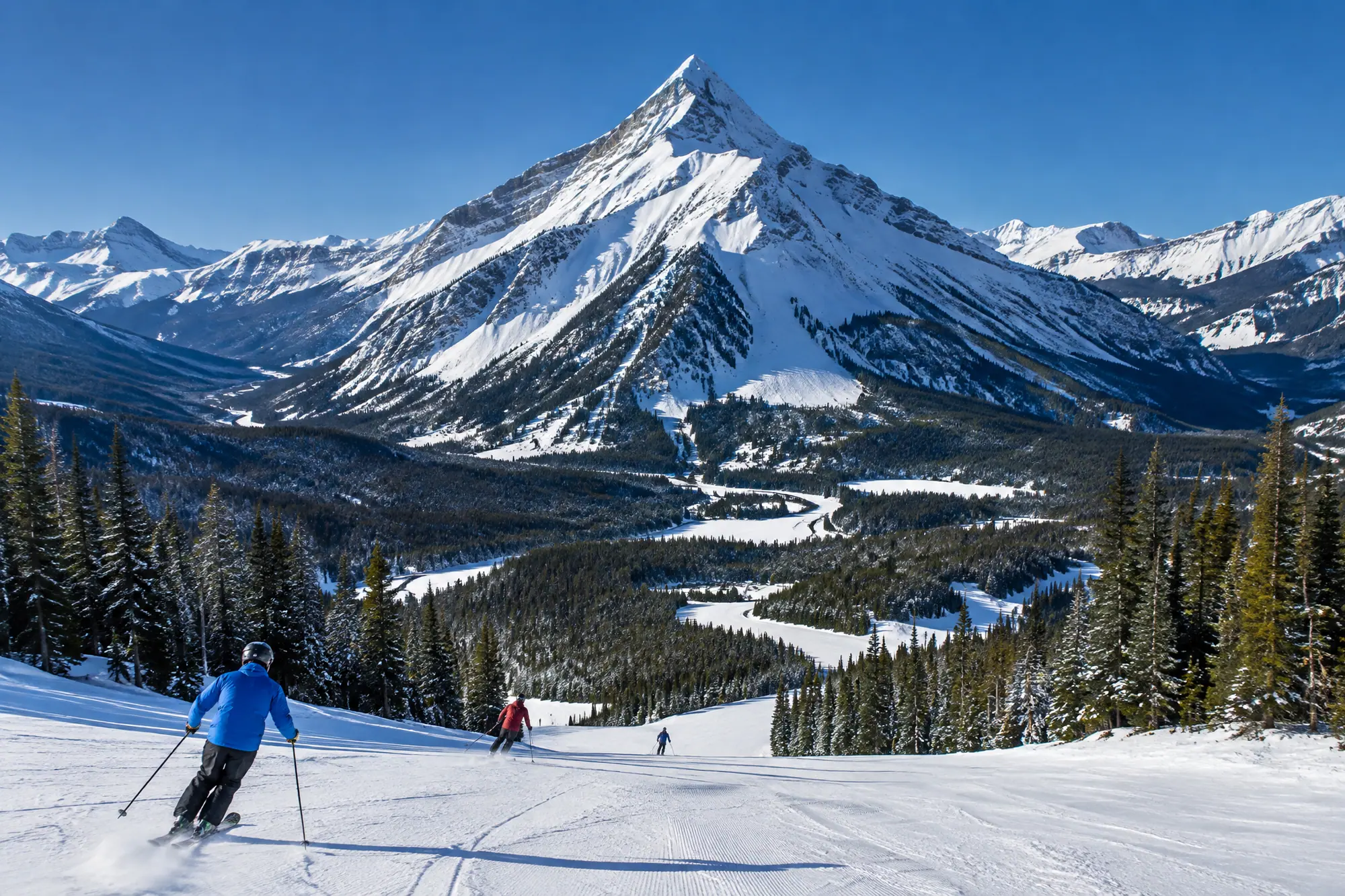
Choose terrain before the ticket
Consult the resort’s current lift and trail report, map and lesson locations. A large ski area can spread a group across different zones; agree on a meeting point and return route. New skiers should not use total acreage as a proxy for a comfortable learning area. Check the actual open terrain and any access restrictions on the intended date.
Compare village and regional stays
A resort-area unit can simplify mornings but still vary in walking distance to a lift. A stay elsewhere in the region adds driving, parking or transit. Map the route with winter weather in mind and confirm current shuttle service if relying on it. Montana tourism identifies Nordic opportunities too; treat those as separate operators with their own trail conditions and passes.
Prepare for a remote-feeling winter
Check NWS alerts, road notices and the resort report before departure. Carry winter travel supplies and avoid a schedule that requires a long late-night transfer after skiing. If the group wants time off snow, confirm which services and activities are open for the travel dates. A flexible day improves a multi-day trip when weather affects upper lifts.
Examine a Big Sky property
Verify the exact door-to-lift route, private road or HOA snow removal, utilities, insurance and rental permissions. A marketing map can make nearby parcels look equivalent even when grade and access differ. Inspect systems suited to winter and calculate year-round costs. Do not project income or appreciation from a resort acreage statistic.
Build a day on a very large mountain
Choose a first zone that works for the least experienced skier, identify the relevant lift and mark a lunch meeting point. Check open terrain before allowing the party to spread across the resort. A strong skier can explore more challenging runs while a beginner repeats a comfortable area, as long as nobody is pressured into a difficult return. Agree on a final-lift time and the path to lodging. The resort’s overall scale creates choice, but a useful day is often built from a small number of well-chosen areas rather than trying to ski everything.
Separate scenic value from property utility
At a prospective Big Sky property, identify the exact route to the resort and to groceries or other services. Ask who maintains snow-covered roads, paths and roofs, and what the HOA covers. Verify whether a unit is truly slopeside or requires a shuttle or drive. Obtain insurance and utility information and review local rental rules if guests are part of the plan. Compare a peak winter week with summer and shoulder-season use. A large resort nearby is an amenity; the home’s cost, rights and practical access remain parcel-specific.
A Big Sky group planning example
A group of four arrives with widely different abilities. Rather than trying to traverse the whole mountain together, they choose an accessible meeting point and separate into two ability-matched pairs. Each pair reads the current lift report and plans a reliable route back. If wind affects upper operations, they use open areas suitable for their skills. A condo tour later in the trip tests whether the advertised lift connection works with the same beginner pair, not only the strongest skier. The building’s association costs and winter path become as important as the resort’s overall size. The group can enjoy a large ski area while making decisions at the scale of real people and a real property.
Planning checklist
Use these points to turn the guide into a plan for the exact resort, date or property:
- Check map
- Locate lesson
- Map lodging route
- Check weather
- Inspect snow service
- Read HOA
Frequently asked questions
Does large acreage mean ideal beginner terrain?
No. Find open learner areas.
Is every village unit at a lift?
No. Map the specific path.
Are Nordic trails included with alpine access?
Check the separate operator.
Next steps
Sources
- Skiing and Snowboarding, Visit Montana (accessed Nov 19, 2026)
- Winter Weather Safety, National Weather Service (accessed Nov 19, 2026)
- Your Responsibility Code, National Ski Areas Association (accessed Nov 19, 2026)
About Where2Ski Editorial Team
Guides from the Where2Ski editorial team are researched from primary sources such as ski area operators, public land managers, the National Weather Service, official avalanche centers and the CFPB, checked by an editor before publication, and dated when they are reviewed. See the editorial policy for how we source, review and correct articles.
This guide is general information rather than legal, tax or financial advice. Rules and programs change, so check the linked sources and talk with a licensed professional in your state. Spot an error? Tell us.