
Killington, Vermont Skiing: Terrain, Trip Base and Property Guide
Killington is a major Vermont ski destination. A useful plan goes beyond its name to the exact terrain, base area and winter transfer that the traveler will use.
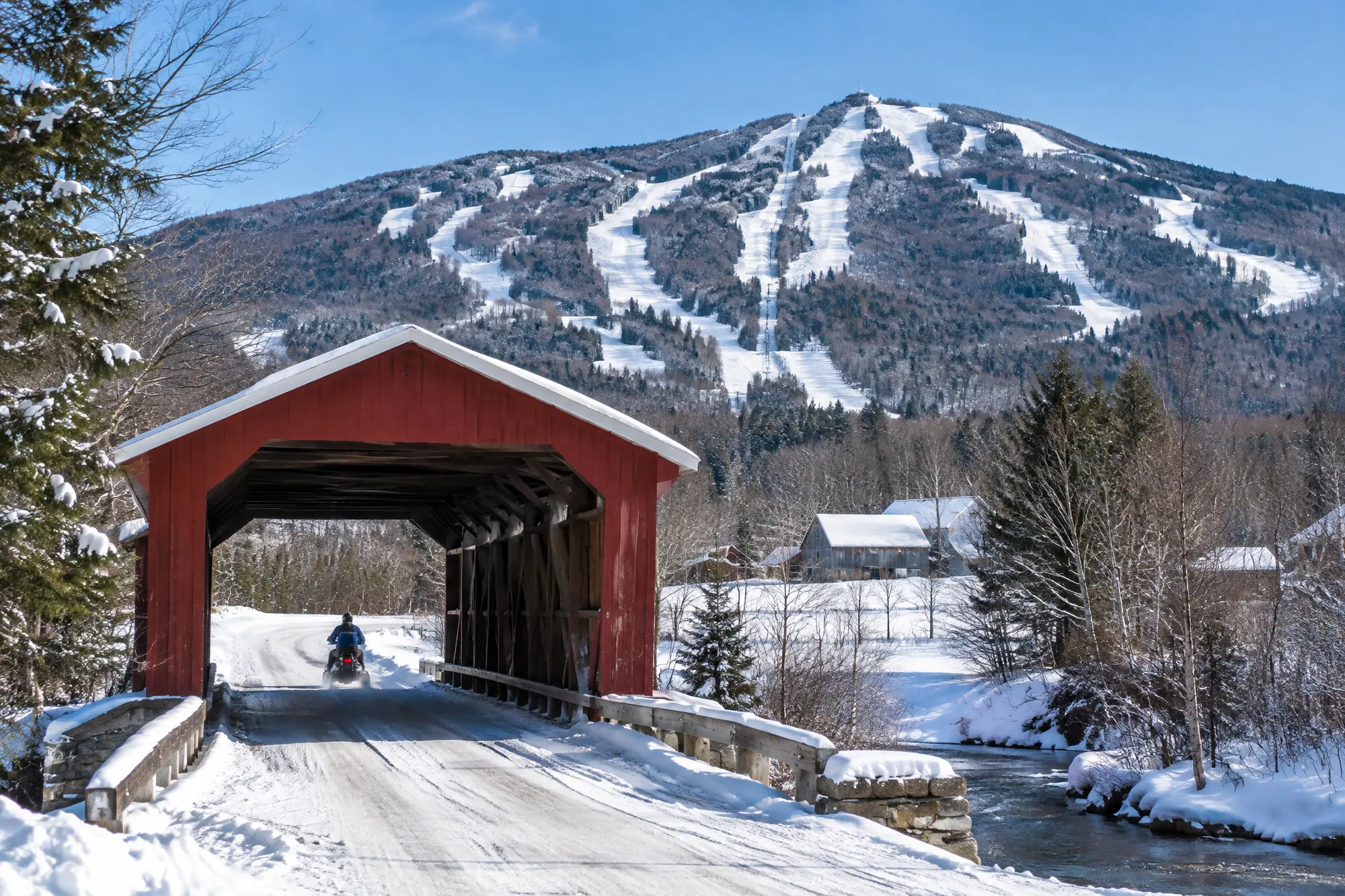
Match the mountain to the skier
Vermont Tourism describes Killington’s broad skiing and learning opportunities. Read current resort maps and open-terrain information to choose a lesson area and appropriate runs. A group can split by ability, but agree on a meeting point and last-lift plan. Do not treat a trail color as identical to one at a smaller home hill.
Select lodging for the actual base
Ask whether the property is walkable, shuttle-served or car-dependent for the intended lift. Check parking, gear storage and the route back after skiing. A lower room rate can lose its advantage when daily transfers take time. If the group wants other winter activities, confirm current operators and hours rather than treating resort advertising as a fixed schedule.
Prepare for variable East Coast weather
Snowmaking and grooming can shape a day, but surfaces and lift operations still vary with weather. Review the resort report and NWS alerts before departure. Pack layers for a cold lift and a warmer afternoon, and choose an easier run if visibility or surface becomes demanding. Keep a change option for lessons and lodging if a storm affects travel.
Inspect a local condo or house
Read HOA budgets, reserves and snow-removal obligations for condos. For a house, assess roof, heating, driveway and private road arrangements. Confirm rental permissions through local and association documents if relevant. A property’s value to a skier depends on its specific base-area route and off-season use, not a generic “Killington area” description.
Plan the mountain by zones
A large resort day works better when the party chooses a first lift and a meeting point before skiing. Identify open beginner routes and their returns, then let stronger skiers explore other areas without expecting everyone to cover the same terrain. Check connectors before moving to another base; the way back can be more complicated than the outward ride. If surface conditions turn firm, move to a more comfortable run or pause. The permanent map explains geography, while the daily operations report tells you which pieces are actually usable.
A condo review tied to skiing
For a Killington condo, compare unit price with building reserves, planned exterior work, snow service, parking and storage. Walk from the building to the lift or shuttle with boots and gear in mind. Ask whether a return route remains practical when a lower trail closes. A house may avoid some association rules but add private plowing and maintenance. Verify short-term rental rights separately from any advertised projection. Consider how often the property would be used outside peak weekends. A careful comparison of full annual cost and actual ski route is more useful than proximity in miles alone.
A Killington return-route check
A mixed-ability group studies the map before boarding a lift at a new base. The intermediate skier sees a route across the mountain, but the beginner’s easiest return may end elsewhere. The group names a meeting point and confirms which lifts and connectors are open that day. If weather firms the surface, the beginner can repeat an easier zone without pressure. A prospective condo buyer should perform an equivalent test from the building: which lift can be reached, what trail returns and what happens when that trail closes? A short distance to a ski boundary is less valuable if the usable route does not fit the people who will live there.
Planning checklist
Use these points to turn the guide into a plan for the exact resort, date or property:
- Check map
- Find lesson base
- Time transfer
- Read NWS alert
- Review snow service
- Check HOA
Frequently asked questions
Does a Killington-area address prove walk-to-lift access?
No. Verify the exact base route.
Should I choose by trail count alone?
No. Check ability-fit open terrain.
Can an HOA control rentals?
Yes. Read current documents.
Next steps
Sources
- Skiing and Snowboarding, Vermont Tourism (accessed Nov 19, 2026)
- Winter Weather Safety, National Weather Service (accessed Nov 19, 2026)
- Your Responsibility Code, National Ski Areas Association (accessed Nov 19, 2026)
About Where2Ski Editorial Team
Guides from the Where2Ski editorial team are researched from primary sources such as ski area operators, public land managers, the National Weather Service, official avalanche centers and the CFPB, checked by an editor before publication, and dated when they are reviewed. See the editorial policy for how we source, review and correct articles.
This guide is general information rather than legal, tax or financial advice. Rules and programs change, so check the linked sources and talk with a licensed professional in your state. Spot an error? Tell us.