
Ski Home Short-Term Rental: Rules and Real Operating Costs
A listing’s rental projection is an assumption. The right to operate, actual guest experience and full cost structure must be checked independently.
Verify permission first
Ask the municipality or county about current short-term rental registration, occupancy, parking, tax and safety rules for the exact address. Read the HOA or condo documents and any deed restrictions. Rules can change, and a nearby unit’s rental activity does not prove the same rights for a new buyer.
Model net revenue
Separate gross booking estimates from platform fees, cleaning, management, utilities, supplies, maintenance, insurance, taxes and vacancy. Snow removal and emergency calls can be material in mountain locations. Use conservative occupancy assumptions across the entire year, not just a few peak holiday weeks. A property that needs a specific income figure to be affordable carries additional risk.
Design the guest route
Test winter access, parking, stairs, gear storage and the path to the lift. Guests need accurate directions and a local contact when a storm changes the plan. Check that the home’s insurance is appropriate for the intended use. If a manager is involved, read the service agreement, response time and cancellation terms.
Plan for changing rules and snow
Seasonal snow and resort operations vary, as do local policies. Compare how the home functions for your own use if rental days underperform or permits change. Maintain financial records and ask qualified local legal, tax and insurance professionals to review the specifics. “Near the slopes” is a marketing description, not an operating plan.
Make a conservative operating model
Estimate revenue month by month with a range of occupancy, not one peak-week rate multiplied across the season. Deduct platform fees, management, cleaning, utilities, plowing, repairs, furnishings, taxes, insurance and reserves. Include an empty week during prime season and a shoulder-season period with few bookings. Compare the result with mortgage and ownership costs without assuming appreciation. Ask the current operator for records if available, but verify that your permit, association rights and management arrangement would be the same after a purchase.
Audit the guest experience
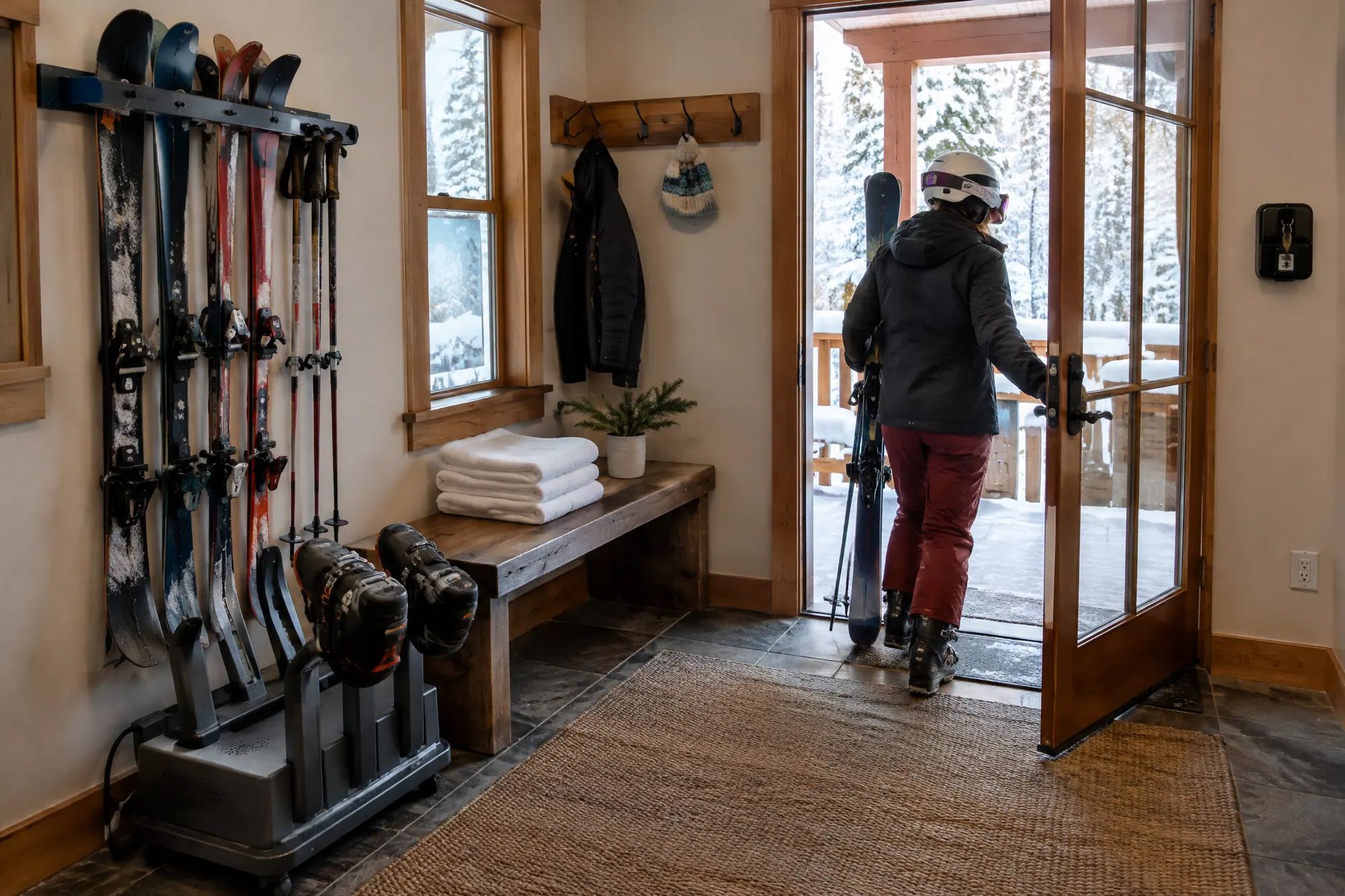
Follow the winter arrival route after dark. Is parking identifiable? Is the walk safe with luggage? Can guests dry boots, store skis and reach the resort without improvising? Check how a local manager handles a heat failure, storm delay or blocked driveway. Review occupancy limits and quiet-hour rules. If the property promises ski-in/ski-out access, confirm the legal and practical route and describe seasonal limitations accurately. A good rental plan begins with lawful use and reliable service; listing copy cannot fix missing rights or difficult access.
A rental projection stress test
A seller provides a gross revenue estimate based on peak weekends. A buyer checks the exact address’s permit status and association restrictions, then models bookings by month. They subtract management, cleaning, platform fees, utilities, insurance, plowing, repairs, taxes and a reserve. Next, they reduce occupancy for a poor-weather season and compare the result with full ownership cost. The original projection may still be useful as one data point, but it is not the same as net income or a transferable right to operate. The buyer also tests how the home would be used personally if rental rules change. This makes the purchase decision less dependent on an optimistic calendar.
Planning checklist
Use these points to turn the guide into a plan for the exact resort, date or property:
- Check local permit
- Read HOA
- Verify taxes
- Model net income
- Plan snow service
- Review insurance
Frequently asked questions
Does an HOA-friendly listing guarantee rental rights?
No. Read current documents and local law.
Should projections include plowing and management?
Yes. Model all operating costs.
Is winter demand guaranteed?
No. Conditions and bookings vary.
Next steps
Sources
- Winter Weather Safety, National Weather Service (accessed Nov 19, 2026)
- Map Service Center, FEMA (accessed Nov 19, 2026)
About Where2Ski Editorial Team
Guides from the Where2Ski editorial team are researched from primary sources such as ski area operators, public land managers, the National Weather Service, official avalanche centers and the CFPB, checked by an editor before publication, and dated when they are reviewed. See the editorial policy for how we source, review and correct articles.
This guide is general information rather than legal, tax or financial advice. Rules and programs change, so check the linked sources and talk with a licensed professional in your state. Spot an error? Tell us.