
Skiing Near Salt Lake City: Choose a Canyon and a Base
Staying in Salt Lake City can put several Utah ski areas within a regional trip, but each mountain has its own access road, policies and daily conditions. Choose specific destinations before choosing a hotel.
Compare the nearby mountains
Utah Tourism identifies ski options in the Salt Lake area and beyond. Review each resort’s trail map, beginner facilities, lesson base and pass terms. One mountain’s terrain or equipment policy may not fit everyone in the party. A city-based itinerary can change resorts by day, but that flexibility only helps if tickets and lessons can be changed or booked appropriately.
Treat canyon travel as a separate decision
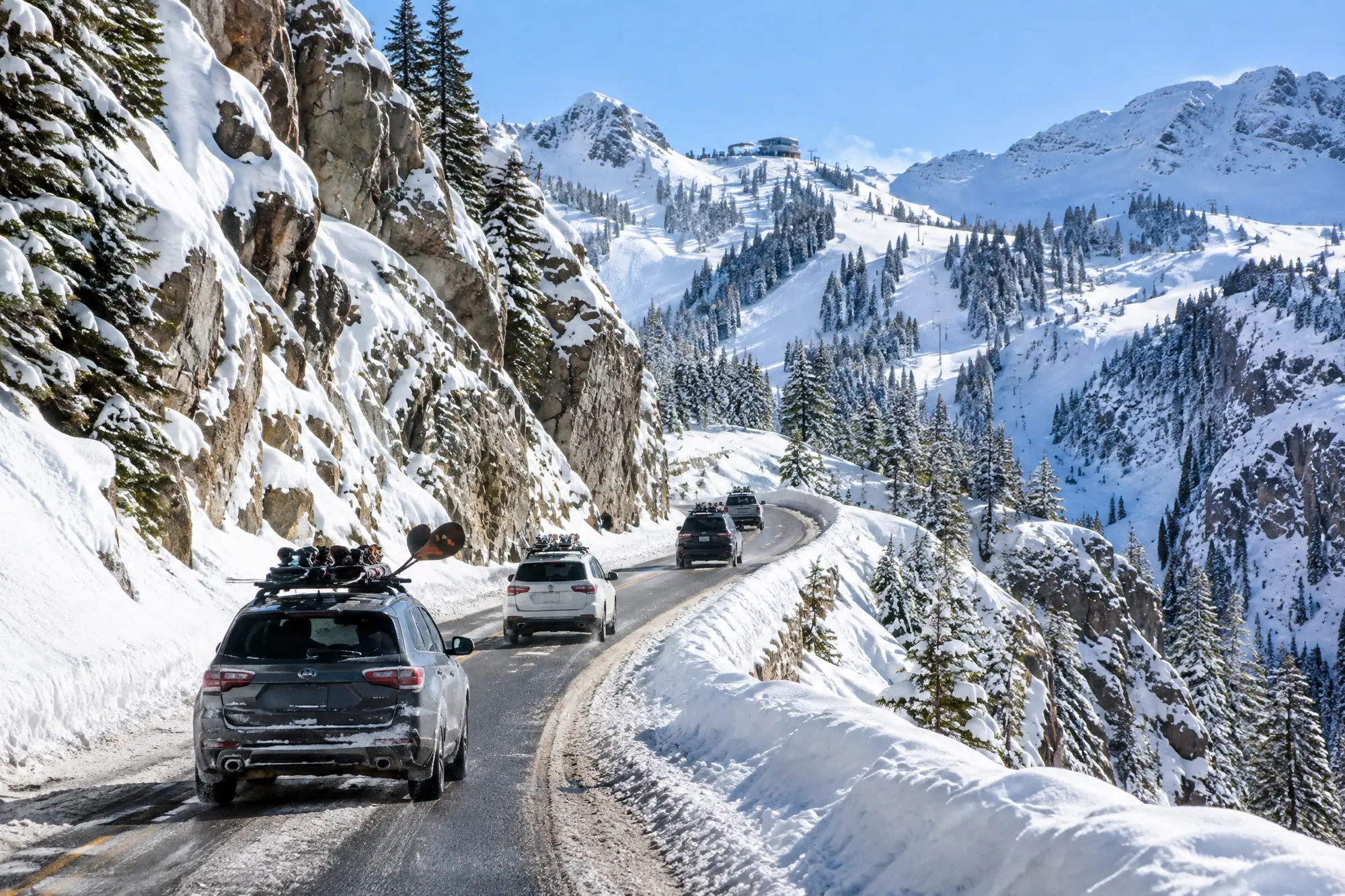
Check the official road agency for closures, parking and traction rules on the particular route. Winter storms and traffic can make a short mileage figure misleading. Utah Tourism describes transit options in the broader region; verify the current route, stop and timetable for the exact resort and date. A bus-friendly hotel is useful only if the stop and return schedule work for the group.
Build a city-to-slope routine
Allow time for rental pickup, traffic, parking or transit and a walk to instruction. Keep a contingency mountain or city activity if the chosen route is affected. Compare the convenience of dining and other city services against a longer ski commute. For a family, the best base may be the one that makes the first lesson morning predictable.
Think carefully about housing proximity
A property in the Salt Lake metro area can offer year-round services and access to multiple ski areas, but “near skiing” is highly route-dependent. Compare the actual winter drive or transit, not a straight-line radius. Review local zoning, property condition and snow-related maintenance like any home purchase. A ski-area address should be evaluated by the destinations you will use most.
A city-base ski worksheet
Choose two primary resorts and write down their road routes, transit options, lesson bases and pass eligibility for each intended day. Map departure from the actual hotel, not a generic downtown point. Compare the cost of a vehicle, parking and canyon travel with a transit-based plan. Set an earlier departure for a lesson day and a flexible alternative for a storm. A city base makes switching mountains possible, but only if the group can respond to changing conditions without losing reservations or spending the morning in a traffic line.
How to think about a home near multiple resorts
A Salt Lake-area home may appear centrally placed on a regional map. Test the winter journey to the specific canyon or resort you expect to use most, including departure hour and parking. A household that skis several mountains may value road access and storage more than a short straight-line distance to one peak. Check neighborhood services, property upkeep and local restrictions separately. A residence can be a good year-round choice while remaining a substantial ski commute; evaluate both uses honestly before assigning value to the mountain proximity.
A two-canyon itinerary decision
A group stays in Salt Lake City and plans one resort in one canyon on Friday and another elsewhere on Saturday. Before purchasing tickets, they verify pass access, road and parking rules, lesson locations and the likely morning travel pattern for each. A storm may make one route less practical, so they keep a flexible product or a city-day alternative. Lodging near a transit connection can help only if the current route serves their chosen base at the right hour. A Salt Lake base offers choice, but it does not make travel time disappear. For a home search, the same route test reveals which mountain choices are realistically convenient from each address.
Planning checklist
Use these points to turn the guide into a plan for the exact resort, date or property:
- List target resorts
- Check pass terms
- Map canyon routes
- Review transit
- Allow travel buffer
- Test home commute
Frequently asked questions
Can I ski multiple resorts from one city base?
Yes, if access products and travel routes fit.
Is every canyon route open after snowfall?
Check official road notices daily.
Does a city home mean short trips to all lifts?
No. Time each specific route.
Next steps
Sources
- Ski Access, Utah Office of Tourism (accessed Nov 19, 2026)
- Ski Resorts, Utah Office of Tourism (accessed Nov 19, 2026)
- Winter Weather Safety, National Weather Service (accessed Nov 19, 2026)
About Where2Ski Editorial Team
Guides from the Where2Ski editorial team are researched from primary sources such as ski area operators, public land managers, the National Weather Service, official avalanche centers and the CFPB, checked by an editor before publication, and dated when they are reviewed. See the editorial policy for how we source, review and correct articles.
This guide is general information rather than legal, tax or financial advice. Rules and programs change, so check the linked sources and talk with a licensed professional in your state. Spot an error? Tell us.