
First Ski Trip Guide: Plan Your First Day on the Mountain
Your first ski day is easier when you choose a mountain for its learning experience rather than its tallest summit. Reserve instruction and equipment, then leave room in the day for fitting, breaks and changing weather.
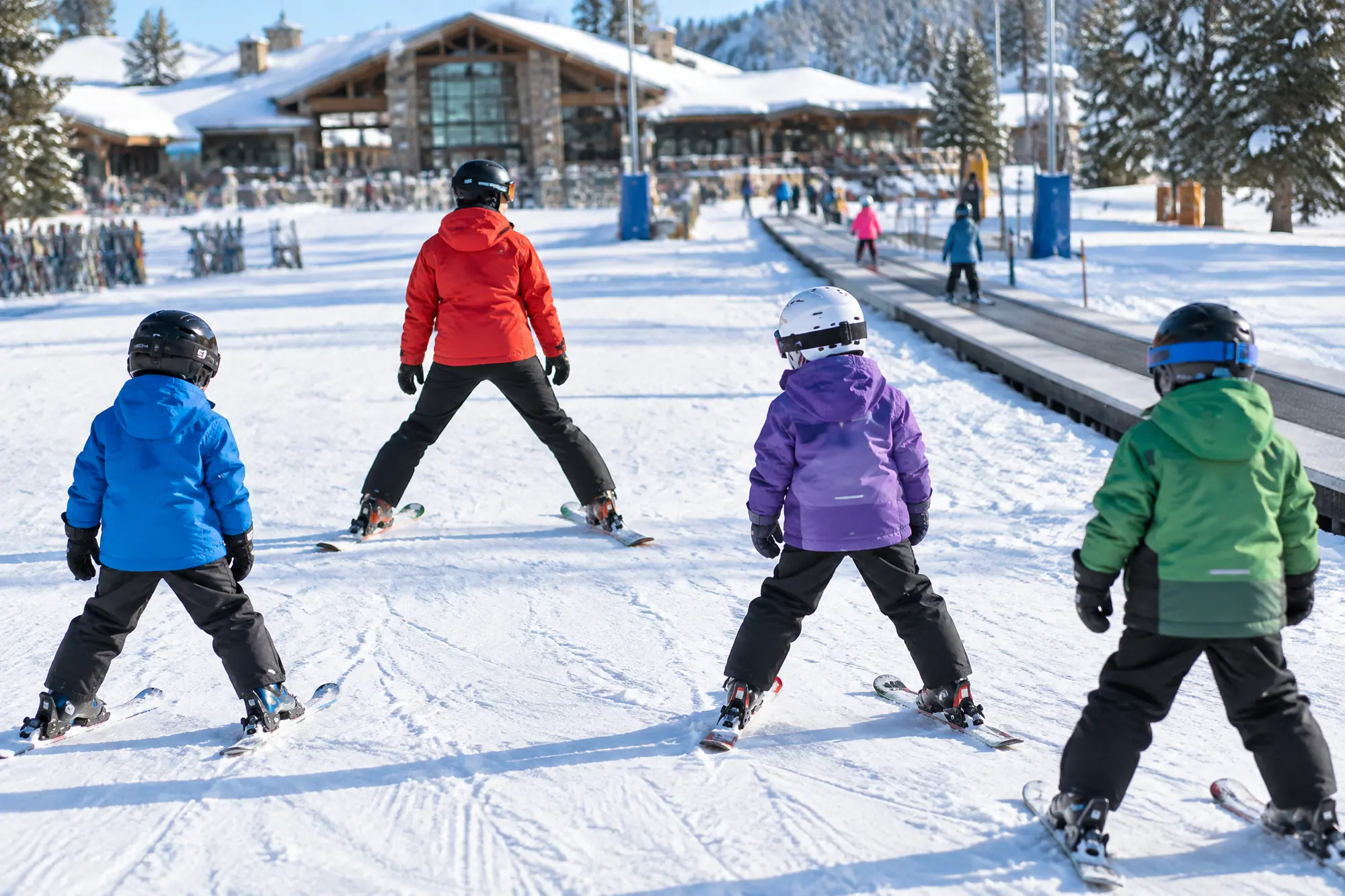
Pick the mountain and the lesson
Compare the beginner area, lesson meeting point, rental shop and whether a beginner ticket is offered. Check the ski area’s current map and lesson policies rather than assuming every green trail is suitable for a first run. A group lesson gives structure; a private lesson can be useful when a person needs a different pace or adaptive instruction. Book early during busy travel periods and read cancellation terms.
Prepare before arrival
Check the resort’s opening report the night before and again in the morning. Arrange tickets, rentals and instruction for the same date and location. Allow time to park, reach the rental desk and fit boots before the lesson begins. Wear layers that can be adjusted, waterproof outerwear, gloves and eye protection. Do not wear thick socks to make oversized boots feel snug; ask the rental staff to refit them.
Learn the flow of the hill
Practice stopping, turning and getting up in the lesson zone before choosing longer terrain. Read the posted signs and the National Ski Areas Association’s Responsibility Code, which covers control, right of way, stopping and lift use. Ask an instructor when you are ready for a chairlift. Trail colors are relative to the mountain, so choose by your demonstrated ability rather than a friend’s suggestion.
End the day well
Plan a lunch and warming break before fatigue changes your technique. Keep track of the last lift time and the route back to the base. If conditions become icy, visibility falls or your boots hurt, tell the instructor or rental desk rather than pushing through. A good first trip is one that leaves you able and willing to return; progress can continue on another day.
A realistic first-day schedule
Arrive early enough to find parking without rushing. Collect the ticket, fit equipment and meet the instructor before the scheduled start. The first part of the lesson may feel slow because it builds the movement needed for a controlled descent; do not treat that time as wasted. After instruction, repeat the terrain the instructor recommends rather than immediately following a stronger skier to another lift. Eat and warm up before everyone is tired. Leave enough daylight to return rentals, find the vehicle and handle the drive. If there is a second ski day, start by repeating the first day’s comfortable run and add one new step only when stopping and turning remain consistent.
Questions to settle before paying
Check whether the lesson includes a lift ticket, rentals and a helmet, and whether the rental pickup is at the same base. Ask about the minimum age, ability grouping, cancellation window and the equipment required for the class. Compare the beginner-area ticket with a full-mountain ticket rather than automatically buying the broadest access. For lodging, price the actual morning route, parking and breakfast time. Review the weather and travel route separately: a mountain may operate while the drive is poor. Write down the first lesson meeting point, the easiest way back from its lift and the contact number for the ski school. Those details make the first morning much calmer.
A booking example for a new skier
Suppose two adults want to ski for a weekend and neither has worn ski boots. They can start by selecting a ski school with adult beginner lessons and an easy terrain area. Next, they verify whether a beginner lift ticket and rental package are included, and they book lodging with a manageable route to that lesson base. On arrival, they collect equipment without rushing and test the boots before the class. After instruction, they repeat a familiar run rather than trying to keep up with friends on a different lift. If weather worsens, they know the return route and can finish early. This plan does not depend on a particular snowfall total or a promise that both people will learn at the same speed; it makes the day usable under ordinary conditions.
Planning checklist
Use these points to turn the guide into a plan for the exact resort, date or property:
- Book lesson
- Reserve rentals
- Check open terrain
- Pack layers
- Allow fitting time
- Learn the code
Frequently asked questions
Do beginners need a lesson?
Instruction is strongly useful for learning control, lifts and terrain choice.
Should I buy skis first?
Renting lets you learn fit and preferences before purchasing.
Is every green trail the same?
No. Difficulty ratings are relative to each ski area.
Next steps
Sources
- Your Responsibility Code, National Ski Areas Association (accessed Nov 19, 2026)
- Lift Safety, National Ski Areas Association (accessed Nov 19, 2026)
- Winter Weather Safety, National Weather Service (accessed Nov 19, 2026)
About Where2Ski Editorial Team
Guides from the Where2Ski editorial team are researched from primary sources such as ski area operators, public land managers, the National Weather Service, official avalanche centers and the CFPB, checked by an editor before publication, and dated when they are reviewed. See the editorial policy for how we source, review and correct articles.
This guide is general information rather than legal, tax or financial advice. Rules and programs change, so check the linked sources and talk with a licensed professional in your state. Spot an error? Tell us.