
How to Ride a Ski Lift: Beginner Preparation and Etiquette
A lift ride is part of the skiing lesson, not a test to pass alone. Know the loading line, communicate with attendants and select terrain you can ski once you get off.
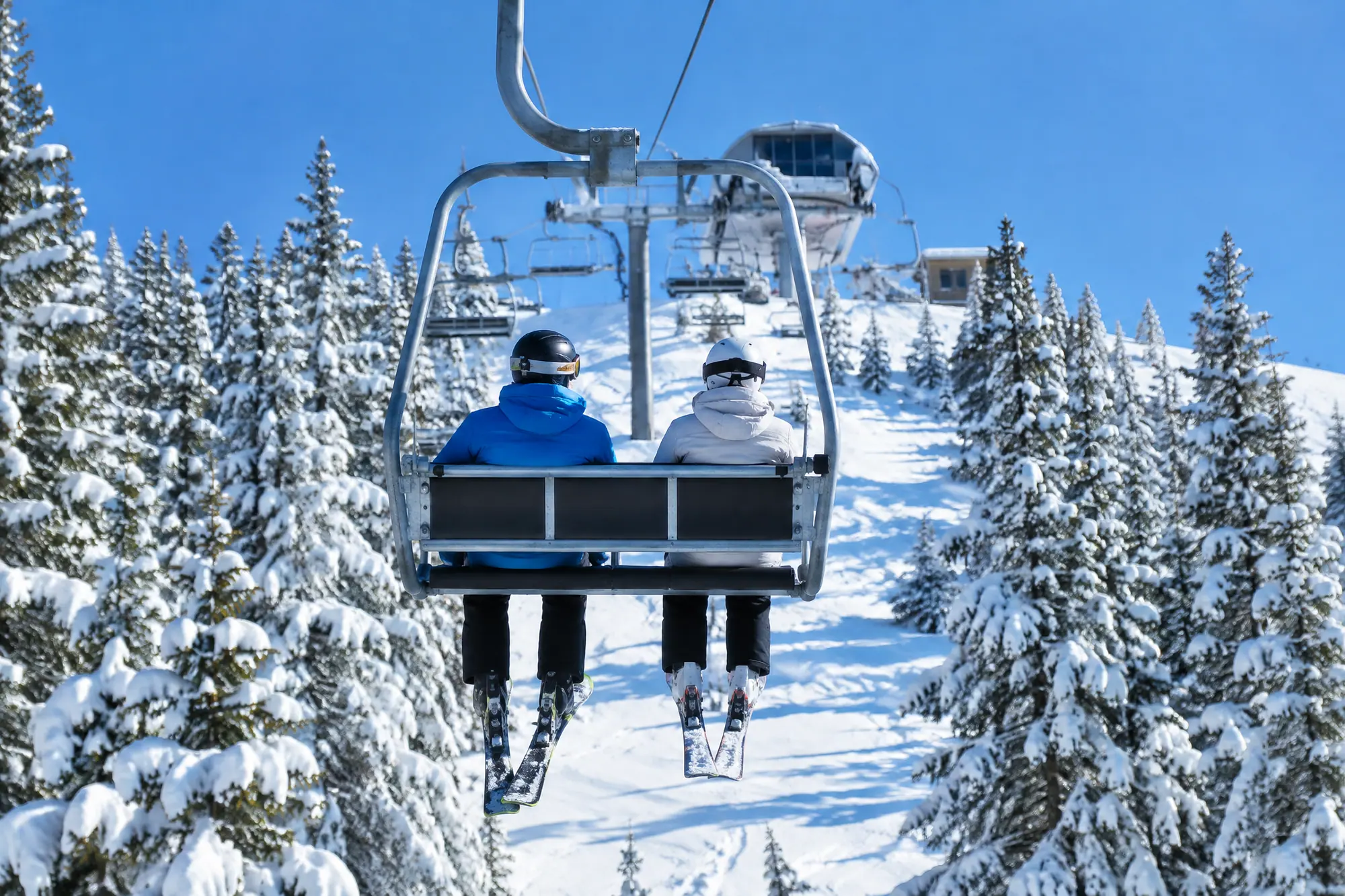
Study the specific lift
Surface lifts, conveyors, fixed-grip chairs and detachable chairs have different procedures. Watch several cycles from a safe waiting area, then follow the posted instructions and attendant directions. Tell the attendant that you are new or need a slower load. Secure loose clothing and poles as instructed, and keep the group together only when the lift capacity allows it.
Load deliberately
Move to the marked line, look back for a chair when directed and sit fully. Lower the restraint bar according to the lift rules and communicate with others on the chair first. Do not swing, stand or drop objects. NSAA’s lift-safety guidance emphasizes following instructions; if you drop something, let it fall and notify staff rather than attempting to retrieve it from the lift line.
Plan the unload
Before the top, identify the unload sign and the path away from the ramp. Raise the bar only when instructed, point skis forward and stand as the chair reaches the unload area. Move clear promptly so the next chair has room. If you fall, follow attendant direction rather than scrambling into moving equipment. Ask the ski school to practice the sequence with you.
Choose what happens after
A successful ride can still lead to the wrong trail. Check the upper mountain map before loading and know the easiest open descent. Do not take a lift to terrain beyond your ability because others in your group want to go there. When uncertain, ask resort personnel for another route or return option before entering the line.
Practice the sequence without pressure
Before entering the line, watch how people approach the loading marks and where they put poles. An instructor can describe the exact timing for the lift being used. Tell companions that you want a clear verbal cue and enough space to move. On a chairlift, sit back and remain calm through the ride; do not twist to retrieve a dropped item. Near the unload, focus on standing and moving straight away from the ramp before stopping. If a mistake occurs, let the attendant manage the machinery. Practicing on a beginner lift builds familiarity before a longer or faster ride.
Choosing the right first lift
A lift that reaches attractive terrain is not necessarily the best first lift. Examine the run from the top, including any narrow sections, intersections and the path back to the lesson area. A conveyor or gentle surface lift may be enough for early practice. Ask how to exit a line if a person changes their mind. Check the group’s ability to ride together under the lift’s stated capacity and safety rules. If someone needs adaptive assistance, contact the ski school in advance so the operator can coordinate an appropriate plan. The goal is a controlled descent after unloading, not simply reaching a summit.
If a lift ride goes wrong
A beginner who falls at an unload ramp should follow the attendant’s direction and move clear when safe, not try to outrun the next chair. If a glove drops during the ride, they should leave it and report it to staff. If they realize the lift leads to terrain beyond their ability, they should ask an attendant about options before entering a trail. These are practical reasons to learn lift etiquette with an instructor and to read the route from top to bottom before boarding. Companions can help by allowing the beginner to set the pace and by agreeing on an easy meeting place. Confidence grows when the person knows how to request help, not when every ride goes perfectly.
Planning checklist
Use these points to turn the guide into a plan for the exact resort, date or property:
- Watch loading
- Tell attendant
- Secure loose gear
- Use restraint properly
- Prepare unloading
- Know descent
Frequently asked questions
Can I ask an attendant to slow the lift?
Ask for help; procedures depend on the lift and operator.
What if I drop a glove?
Let it fall and tell staff.
Should I board before checking the top terrain?
No. Know your descent first.
Next steps
Sources
- Lift Safety, National Ski Areas Association (accessed Nov 19, 2026)
- Your Responsibility Code, National Ski Areas Association (accessed Nov 19, 2026)
About Where2Ski Editorial Team
Guides from the Where2Ski editorial team are researched from primary sources such as ski area operators, public land managers, the National Weather Service, official avalanche centers and the CFPB, checked by an editor before publication, and dated when they are reviewed. See the editorial policy for how we source, review and correct articles.
This guide is general information rather than legal, tax or financial advice. Rules and programs change, so check the linked sources and talk with a licensed professional in your state. Spot an error? Tell us.