
Learning to Ski as an Adult: A Practical Progression
Adults learn to ski at different speeds. The most useful measure of progress is whether you can control speed and direction on terrain you choose, not the number of trails you collect.
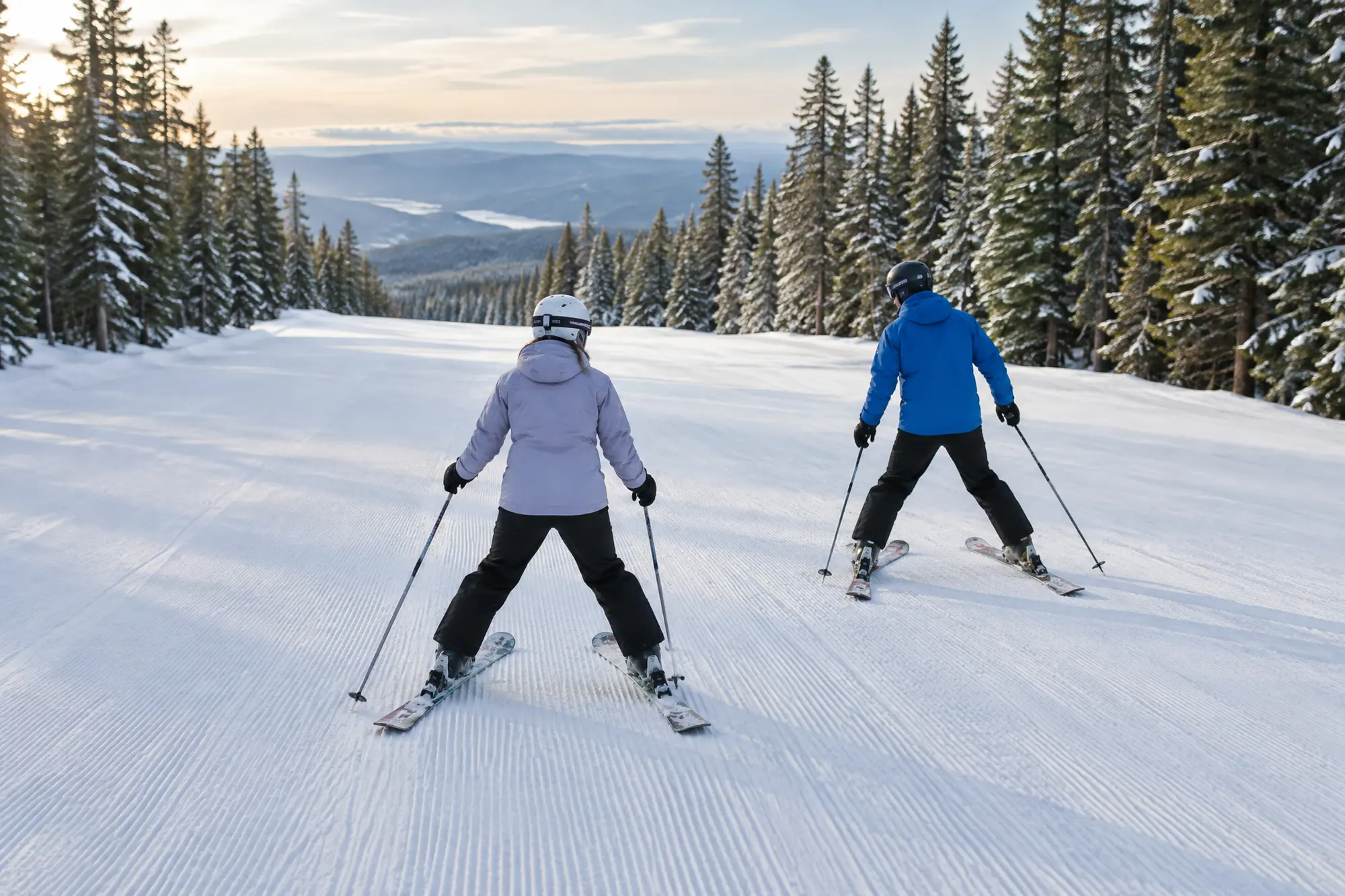
Start with the correct environment
Find a teaching area with a gentle grade, a predictable lift and a ski school that offers adult beginner instruction. Tell the instructor about prior experience, mobility needs and any concern about falling. A lesson can establish a stance, stopping method and route for making linked turns. Avoid learning on a run chosen for the rest of a more experienced group.
Practice one skill at a time
A beginner needs room to repeat movements without constant pressure from faster traffic. Work on balance, looking ahead, controlling speed and turning both directions. If a slope feels too steep, return to easier terrain until the same movement is reliable. Trail colors are mountain-specific; review the local map and ask staff about the easiest way down before boarding a new lift.
Fit equipment to learning
Rental skis and boots are a sensible starting point. Tell the fitter if your toes are crushed, heels lift excessively or a buckle creates pain. Wear one appropriate ski sock and adjust warmth with outer layers. A helmet and goggles support comfort and awareness, but equipment cannot replace controlled skiing and observation of other users.
Build a repeatable routine
Take breaks, drink water and stop before fatigue turns practice into survival. On later days, repeat familiar terrain first, then add one new challenge at a time. The Responsibility Code applies at every level: stay in control, observe signs and yield appropriately. Keep a short note of what the instructor asked you to practice for the next visit.
What progress can look like over several days
On day one, an adult learner may spend most of the time learning to slide, stop and change direction on gentle terrain. On another visit, the same skier may link turns and manage a slightly longer run. Progress is not linear; icy snow, a different boot fit or a crowded slope can temporarily make a familiar movement harder. Keep a simple practice goal for each outing, such as finishing turns before gaining too much speed. Return to easier terrain when needed. A short series of lessons with time to practice between them often gives clearer feedback than one long day of struggling alone.
How to ski with more experienced friends
Tell the group which terrain and pace are comfortable before buying tickets or boarding a lift together. Agree on a meeting place for lunch, and allow skilled friends to ski other runs while a beginner takes a lesson. Avoid making a first-time skier navigate a difficult connector merely to keep the party together. Ask a resort employee about the easiest route home when the map is ambiguous. Celebrate specific skills, such as stopping where planned or boarding a lift calmly. The adult learner should control when to advance; a steeper run is useful only when it supports technique rather than fear and fatigue.
An adult progression example
Imagine an adult who can stop on the beginner slope but loses control whenever a trail narrows. Moving straight to a longer blue run would make the problem more consequential. A more useful next lesson could focus on linked turns and speed control on a broad green area, then practice the same movement near a gentle intersection. The skier can ask the instructor what specific result would indicate readiness for a longer route. On a later day, they warm up on the familiar trail and add one new lift only after checking its complete descent. This kind of progression makes the decision observable: control and route awareness are more meaningful than the number of days since the first lesson.
Planning checklist
Use these points to turn the guide into a plan for the exact resort, date or property:
- Choose adult lesson
- Fit boots
- Practice stopping
- Repeat turns
- Read local trail map
- Take breaks
Frequently asked questions
Is it too late to learn as an adult?
No. Choose instruction and terrain suited to your pace.
When should I move to a harder run?
When you can turn and control speed consistently on easier terrain.
Do I need my own boots immediately?
No. Start with correctly fitted rentals.
Next steps
Sources
- Your Responsibility Code, National Ski Areas Association (accessed Nov 19, 2026)
- Lift Safety, National Ski Areas Association (accessed Nov 19, 2026)
About Where2Ski Editorial Team
Guides from the Where2Ski editorial team are researched from primary sources such as ski area operators, public land managers, the National Weather Service, official avalanche centers and the CFPB, checked by an editor before publication, and dated when they are reviewed. See the editorial policy for how we source, review and correct articles.
This guide is general information rather than legal, tax or financial advice. Rules and programs change, so check the linked sources and talk with a licensed professional in your state. Spot an error? Tell us.