
Season Pass or Day Tickets? How to Compare Ski Access
A pass can be valuable for frequent skiing, but an advertised mountain list does not mean unrestricted access to every resort on every date.
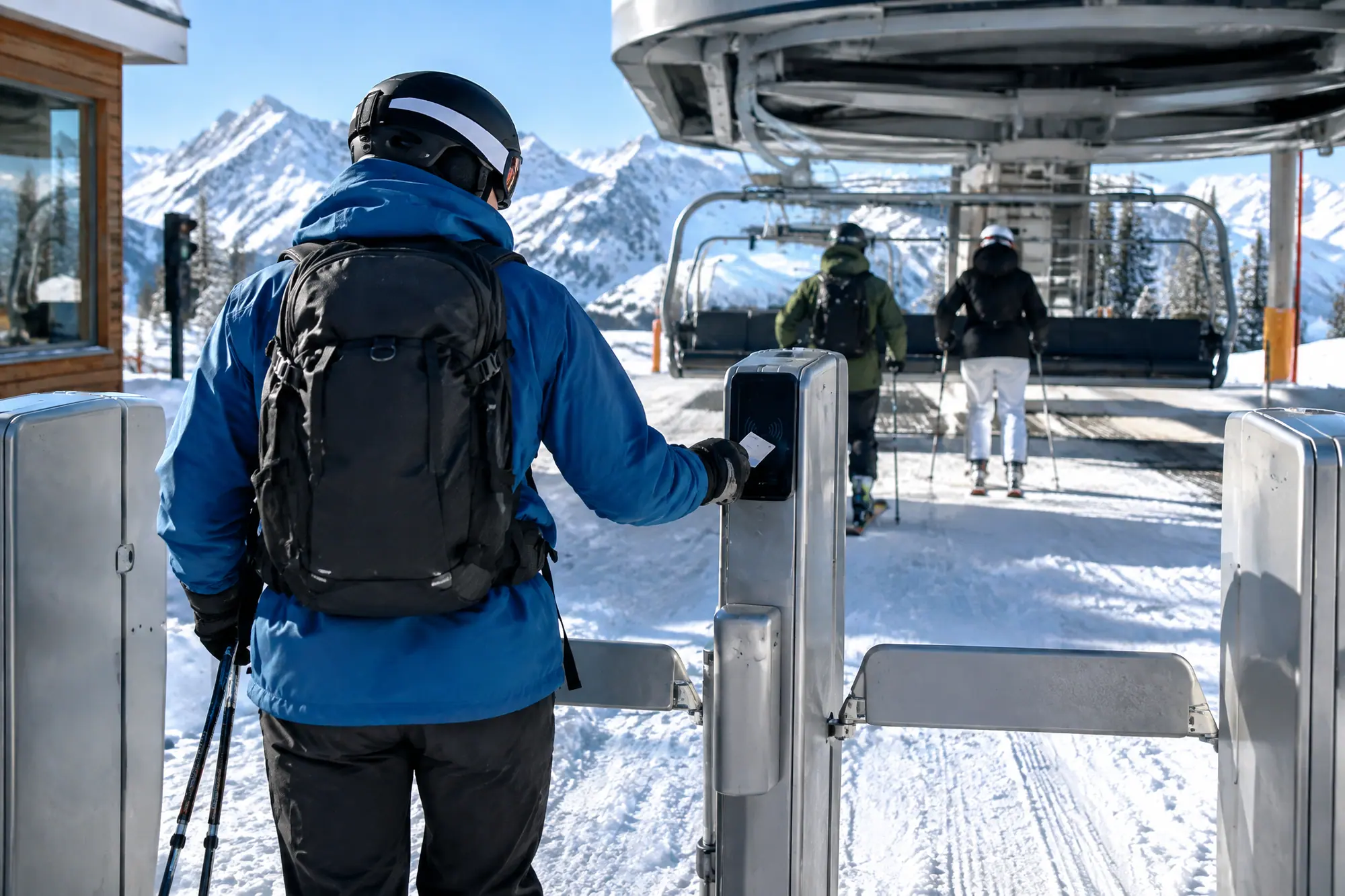
Count realistic days
Start with days you are likely to ski, not aspirational weekends. Include the local mountain, planned travel, work schedule and weather flexibility. Compare the full pass price with current day-ticket prices for those dates. If you need rentals, instruction or parking, account for them separately; a pass may discount some products without including them.
Read access details
Check blackout dates, reservation requirements, partner-resort day limits and whether multiple resorts share one allotment. Policies can change by season and pass tier. Verify the age or residency category and whether a pass is refundable or transferable. A destination on a marketing map may still require an additional purchase for your trip.
Consider travel economics
A pass can encourage more visits but does not pay for flights, lodging or winter road travel. If most use is at one local hill, a local pass might be simpler. If the household travels together, calculate the cost for every skier, including children who age into a new tier. Plan an alternative when a desired date is blacked out.
Make a date-specific comparison
Create a table with each intended ski day, ticket price, pass eligibility and extra fees. Then compare a conservative scenario with the maximum plausible use. Check the resort’s official terms before buying because product names and access rules change. The best option is the one that fits actual behavior, not the one with the longest resort list.
A three-scenario calculation
Create three columns: likely ski days, extra days if weather and schedules cooperate, and fewer days if travel is disrupted. Multiply eligible days by the tickets you would otherwise buy, using the dates and mountains you actually plan. Compare each total with the pass price plus any reservation, parking and travel costs. A pass that wins only in the optimistic column may still be a choice you enjoy, but it is not a guaranteed savings. Check whether unused days carry forward; many products do not. This simple worksheet also helps a household compare individual passes with occasional day tickets.
Restrictions that matter in practice
A resort listed on a pass can have blackouts during the exact school holiday a family plans to travel. Partner access may require a reservation or limit the number of visits. Some products have different benefits for children, seniors or local residents. Read the current terms before booking nonrefundable lodging, and save a copy of the rules for the season purchased. If skiing mainly one mountain, compare its local pass, midweek product and lesson packages. A long list of partner resorts has little value if you do not have the time or budget to visit them.
A holiday restriction example
A household expects four local weekends and one school-holiday trip to a partner resort. A pass appears less expensive than buying individual tickets until the family checks that the holiday dates may be blacked out or need a reservation under the selected tier. They price the additional tickets that would be required and compare a higher pass tier, local pass and flexible day tickets. They also check whether children qualify for a different product. The exercise uses the official terms for the season purchased and the exact dates. It prevents a mountain list on a marketing page from being mistaken for unlimited, guaranteed access on the one trip that matters most to the household.
Planning checklist
Use these points to turn the guide into a plan for the exact resort, date or property:
- List real dates
- Check restrictions
- Price day tickets
- Add household cost
- Review refund terms
- Compare scenarios
Frequently asked questions
Does a multi-resort pass work every day?
Check blackouts, reservations and day limits.
Do passes include rentals?
Usually a separate product; verify the terms.
When is a pass worthwhile?
Compare its cost with your realistic ticket use and restrictions.
Next steps
Sources
- Skiing and Snowboarding, Colorado Tourism (accessed Nov 19, 2026)
- Ski Resorts, Utah Office of Tourism (accessed Nov 19, 2026)
- Skiing and Snowboarding, Vermont Tourism (accessed Nov 19, 2026)
About Where2Ski Editorial Team
Guides from the Where2Ski editorial team are researched from primary sources such as ski area operators, public land managers, the National Weather Service, official avalanche centers and the CFPB, checked by an editor before publication, and dated when they are reviewed. See the editorial policy for how we source, review and correct articles.
This guide is general information rather than legal, tax or financial advice. Rules and programs change, so check the linked sources and talk with a licensed professional in your state. Spot an error? Tell us.