
Multi-Resort Ski Trip: Build a Route That Works in Winter
Skiing several mountains in one trip can be rewarding, but a long driving loop can consume the best snow hours. Choose a base and make each move earn its time.
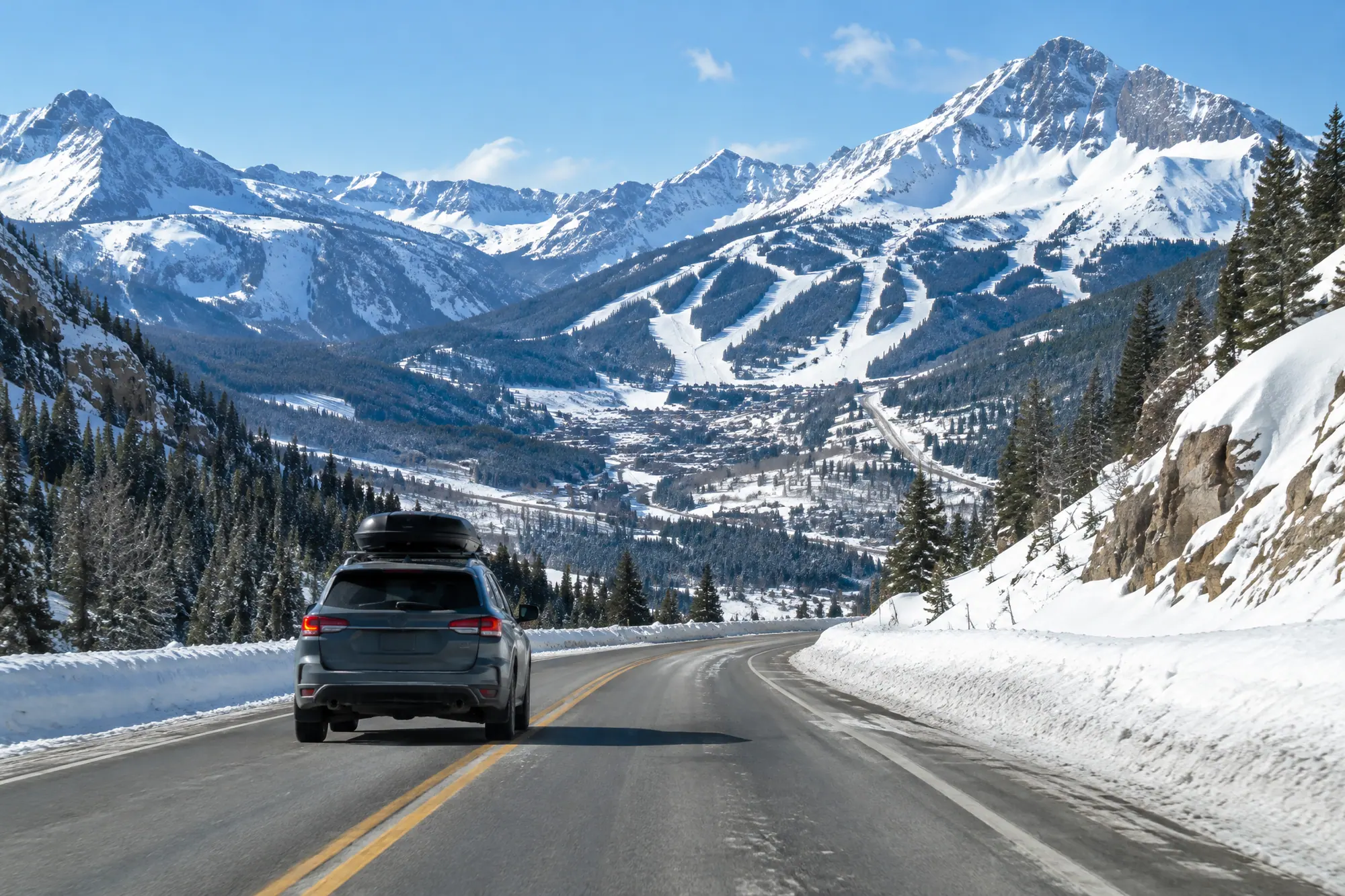
Group resorts geographically
Compare road distance, winter route, parking and ski-day start times. A close-looking mountain across a pass may take longer or be affected by closures. Use official resort locations and current road conditions. Keep a spare day or a local alternative so one storm does not unravel every reservation.
Check access product by product
A multi-resort pass can have blackout dates, reservations or limited days. Verify access for every exact date and resort. If buying daily tickets, compare advance purchase and change terms without assuming prices will remain fixed. Include rentals, lessons and any gear transfer between destinations in the schedule.
Match mountains to the group
Plan different terrain experiences, but ensure every skier has a suitable route at each stop. If one person wants expert terrain, choose a mountain where others can enjoy a learner zone, Nordic center or a rest day. Consult current trail maps and snow reports. A resort’s reputation does not describe the open terrain on a particular morning.
Reduce packing friction
Dry boots and clothing each evening, keep essentials accessible in the car and allow time to return rentals. Confirm lodging check-in and parking rules before arriving after dark. The National Weather Service advises winter travel preparation; carry a vehicle kit and be ready to delay a transfer. A two-base trip may be better than changing rooms nightly.
A workable three-day pattern
Use one lodging base for the first two ski days and choose mountains that are realistically reachable from it. Reserve the third day for the preferred repeat mountain, a nearby alternative or a weather-related change. If the itinerary requires another lodging base, move on an evening when roads and the group’s energy allow it rather than immediately after the longest ski day. Check pass eligibility for every date before committing. Keep gear packed in a consistent way so the next morning does not become a search for gloves, tickets or a boot bag.
How to decide whether a second resort is worthwhile
Ask what the new mountain gives the group: suitable new terrain, a lesson option, a different town experience or a pass benefit. Then subtract the travel and learning costs: road time, parking, finding rentals and navigating a new trail map. A beginner may gain more from repeating comfortable terrain than from visiting a second resort. An expert group may enjoy variety but should still check open runs and weather. A multi-resort trip is successful when each added stop improves the experience, not merely when the itinerary contains more names.
When a second resort is not worth the drive
A group has a three-day pass and considers visiting a resort across a mountain pass on day two. The new area offers appealing terrain, but the forecast calls for a storm and the drive would consume the morning. The group checks its pass restrictions and current road notices, then chooses another day at the local mountain with suitable open terrain. They keep the second resort for a later trip or a better weather window. This is not a failed itinerary. The pass created an option, and the group used current information to decide it was not the right option that day. The same reasoning applies when the least experienced skier would gain more from repeating a familiar learning area.
Planning checklist
Use these points to turn the guide into a plan for the exact resort, date or property:
- Cluster resorts
- Verify pass dates
- Compare terrain
- Check winter roads
- Plan buffer day
- Dry gear
Frequently asked questions
Can a pass have limited days at a partner resort?
Yes. Check the current tier terms.
Should I schedule every day at a new resort?
Leave room for weather and travel.
Is map distance enough for winter driving?
No. Check routes and conditions.
Next steps
Sources
- Winter Weather Safety, National Weather Service (accessed Nov 19, 2026)
- Skiing and Snowboarding, Colorado Tourism (accessed Nov 19, 2026)
- Ski Resorts, Utah Office of Tourism (accessed Nov 19, 2026)
About Where2Ski Editorial Team
Guides from the Where2Ski editorial team are researched from primary sources such as ski area operators, public land managers, the National Weather Service, official avalanche centers and the CFPB, checked by an editor before publication, and dated when they are reviewed. See the editorial policy for how we source, review and correct articles.
This guide is general information rather than legal, tax or financial advice. Rules and programs change, so check the linked sources and talk with a licensed professional in your state. Spot an error? Tell us.