Rent or Buy Ski Equipment? A Decision Guide
The right equipment decision depends on how often you ski and where. A first-time skier can learn far more about personal preferences from a properly fitted rental than from a rushed purchase.
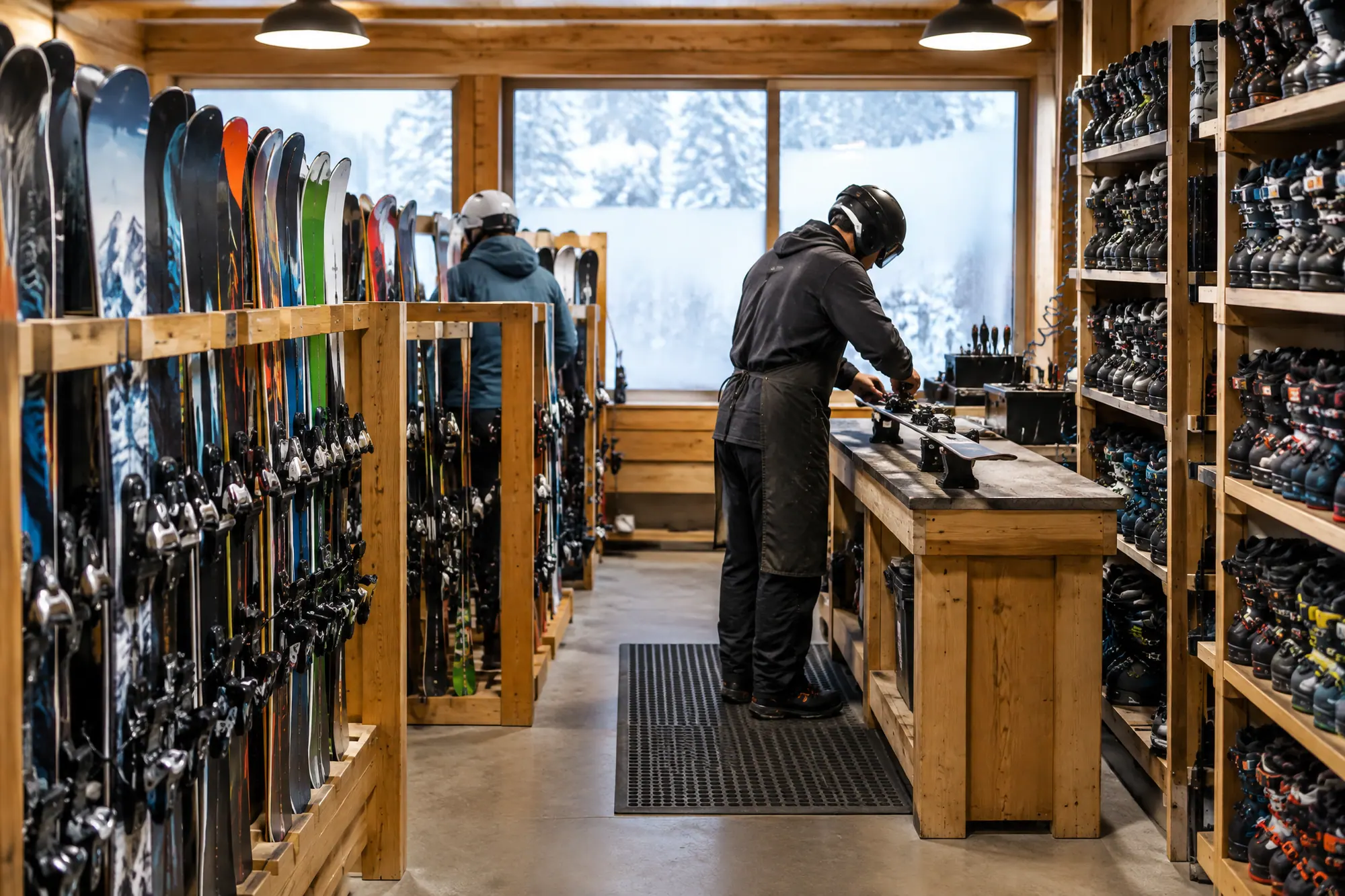
Use rentals to learn
A rental package usually provides skis, boots and poles sized for the user and the resort terrain. Reserve ahead during busy periods and report honest ability and weight information to the fitter. Inspect the gear at pickup and ask for a refit if a boot creates pain or a ski setup seems wrong. Rental terms, damage coverage and pickup windows vary by operator.
Consider the cost of ownership
Buying adds maintenance, storage and transport to the purchase price. Boots may be worth prioritizing when you ski regularly and struggle to get a consistent rental fit. Skis can be selected for the snow and terrain you most often encounter; a single pair may not suit every destination. Compare a season rental, local demo program or a few daily rentals before committing.
Do not skip setup
Bindings require appropriate professional adjustment and inspection. Changing boots can require a new binding check, even when the ski remains the same. Ask a qualified shop to explain the equipment’s condition and service history if buying used. Gear is not a shortcut to terrain beyond your ability, and helmets and goggles need their own proper fit.
Make travel part of the choice
Flying with skis may add baggage handling, while renting near the destination reduces transport but requires pickup time. Driving with personal gear avoids a rental line yet demands secure storage and drying space. For a ski-home owner, a storage room can change the balance. Estimate annual days, trip locations and total logistics instead of comparing one ticket-window rental price with one sale sticker.
A simple break-even worksheet
Write down the number of days you actually skied last season and the days already planned for the next. Price daily rentals, a season rental and ownership for those days, including tuning, binding service and travel. If you travel to several regions with different snow conditions, owning one pair may still mean renting occasionally. If you live close to a mountain and ski often, convenience and a consistent boot fit may matter more than a small numerical difference. Use the worksheet as a decision aid rather than a rigid rule: a beginner’s needs can change rapidly after a few lessons.
How to buy used equipment carefully
Ask a qualified ski shop to inspect skis, bindings and boots before relying on a used setup. A ski with an attractive price may need edge, base or binding work. Boot shells and liners can be worn or shaped for another foot. Confirm that the shop can service the specific binding and set it for your boot. Do not use an online sizing guess in place of a fitting. A demo program can provide better evidence about skis than a product description alone. Record what felt stable and manageable on familiar terrain, then choose equipment for your ordinary days rather than only a rare deep-snow trip.
A five-day skier’s comparison
Suppose a skier expects five local days and one destination weekend next season. They can compare a season rental with five daily rentals plus a separate destination package, then compare both with buying boots and skis. The ownership column should include binding service, tuning, storage and transport, not just the sale price. A person who flies for the weekend might still rent destination skis even after buying boots. Another who skis locally most weekends may value owning a familiar setup. The exercise does not produce one universal answer; it reveals which costs and conveniences drive the choice. It also encourages a newer skier to wait until technique and preferred terrain are clearer before committing to a specialized ski.
Planning checklist
Use these points to turn the guide into a plan for the exact resort, date or property:
- Estimate ski days
- Try rentals
- Assess boot fit
- Price maintenance
- Check travel costs
- Use qualified shop
Frequently asked questions
Should beginners buy skis immediately?
Usually it helps to learn fit and preferences through rentals first.
Are used bindings ready without inspection?
Have a qualified shop inspect and adjust them.
What might frequent skiers buy first?
Well-fitted boots are often a practical priority.
Next steps
Sources
- Your Responsibility Code, National Ski Areas Association (accessed Nov 19, 2026)
- Winter Weather Safety, National Weather Service (accessed Nov 19, 2026)
About Where2Ski Editorial Team
Guides from the Where2Ski editorial team are researched from primary sources such as ski area operators, public land managers, the National Weather Service, official avalanche centers and the CFPB, checked by an editor before publication, and dated when they are reviewed. See the editorial policy for how we source, review and correct articles.
This guide is general information rather than legal, tax or financial advice. Rules and programs change, so check the linked sources and talk with a licensed professional in your state. Spot an error? Tell us.