
Ski Weather, Wind and Visibility: Change the Plan Wisely
Temperature alone does not tell the whole story. Wind, cloud, precipitation and elevation determine whether a lift and trail feel comfortable or practical.
Read multiple locations
Look at the forecast for the town, base and upper mountain when available. The National Weather Service winter alerts explain broader travel risk. A valley forecast may miss strong ridge wind or snow at higher elevation. Check resort operations for lift status and closures rather than inferring from a weather app that everything is running.
Adapt terrain to visibility
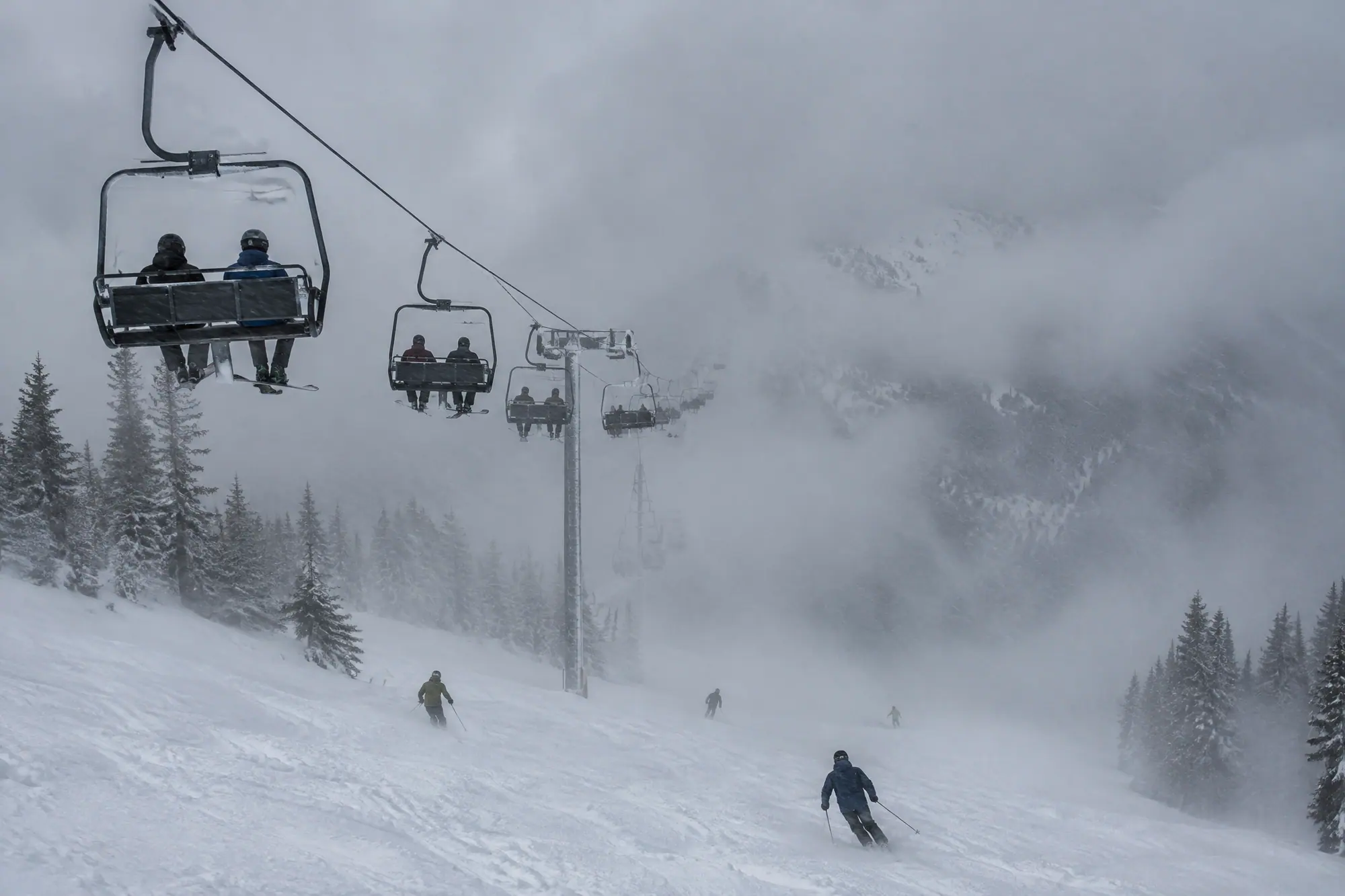
Flat light can make surface changes difficult to see. Slow down, use familiar groomed terrain and leave more room around other users. If fog or blowing snow prevents identifying terrain and signs, stop in a safe visible place or return lower on the mountain. Goggles may help comfort, but they do not restore full visibility.
Plan for the journey
Check road conditions before departure and carry winter supplies in the vehicle. A delay after skiing can leave tired travelers driving in darkness or worsening weather. Build a warm, dry change of clothes and a food stop into the plan. If a storm warning affects the route, postponing travel may be the sound choice.
Use flexible reservations
Know ticket, lesson, rental and lodging change policies. Keep a lower-elevation alternative or non-ski activity for days when upper lifts are wind-affected. Do not assume every operational decision will be known the night before. Recheck official resort and road information in the morning, then choose a day that fits the group.
Make a conditions-based Plan A and Plan B
Plan A can be the intended upper-mountain area if lifts operate, visibility is good and the group can ski it comfortably. Plan B might be a lower, more familiar run with easier navigation or a non-ski activity. Identify the decision point before buying a nonrefundable product or driving a pass. If a lift goes on hold after arrival, know whether the resort offers another suitable area. The alternative should fit the least experienced skier. A plan that only works in ideal weather is not yet a complete mountain itinerary.
Know when to stop the day
Cold hands, poor visibility and fatigue can reduce control even if the ticket remains valid. Take a warm break, change wet layers and reassess. If someone cannot see signs or other users, choose terrain where visibility improves or finish skiing. The drive home may be worsening while the resort stays open; check road notices before the last lift. Share a return time with the party and avoid splitting up without communication. A shorter day can preserve the next ski day and reduce the temptation to make risky decisions late in the afternoon.
A weather-related plan change
A group booked a high-mountain ski day, but upper lifts are wind-affected in the morning. They check the current operations report and choose a lower open area with routes everyone can ski. One person who expected advanced terrain can still enjoy the day or plan another date; the beginner does not need to follow into marginal visibility. At lunch, the group reassesses both lift status and the road home. If the drive is deteriorating, they leave early and use a lodging or ticket change option where available. The purpose of Plan B is to preserve a safe, useful day without requiring the mountain to match the forecast made weeks earlier.
Planning checklist
Use these points to turn the guide into a plan for the exact resort, date or property:
- Check mountain forecast
- Read alerts
- Review lift status
- Choose visible terrain
- Prepare vehicle
- Know change terms
Frequently asked questions
Can wind close lifts without much snow?
Yes. Check the resort’s current operations.
Is flat light just a comfort issue?
It can make terrain harder to see.
Should I drive through a winter warning to protect a ticket?
Prioritize travel safety and review change terms.
Next steps
Sources
- Winter Weather Safety, National Weather Service (accessed Nov 19, 2026)
- Your Responsibility Code, National Ski Areas Association (accessed Nov 19, 2026)
About Where2Ski Editorial Team
Guides from the Where2Ski editorial team are researched from primary sources such as ski area operators, public land managers, the National Weather Service, official avalanche centers and the CFPB, checked by an editor before publication, and dated when they are reviewed. See the editorial policy for how we source, review and correct articles.
This guide is general information rather than legal, tax or financial advice. Rules and programs change, so check the linked sources and talk with a licensed professional in your state. Spot an error? Tell us.