
Spring Skiing Guide: Snow, Timing and Sun Protection
Spring can offer long daylight and a different pace, but the mountain can change from firm morning snow to soft afternoon snow in one visit.
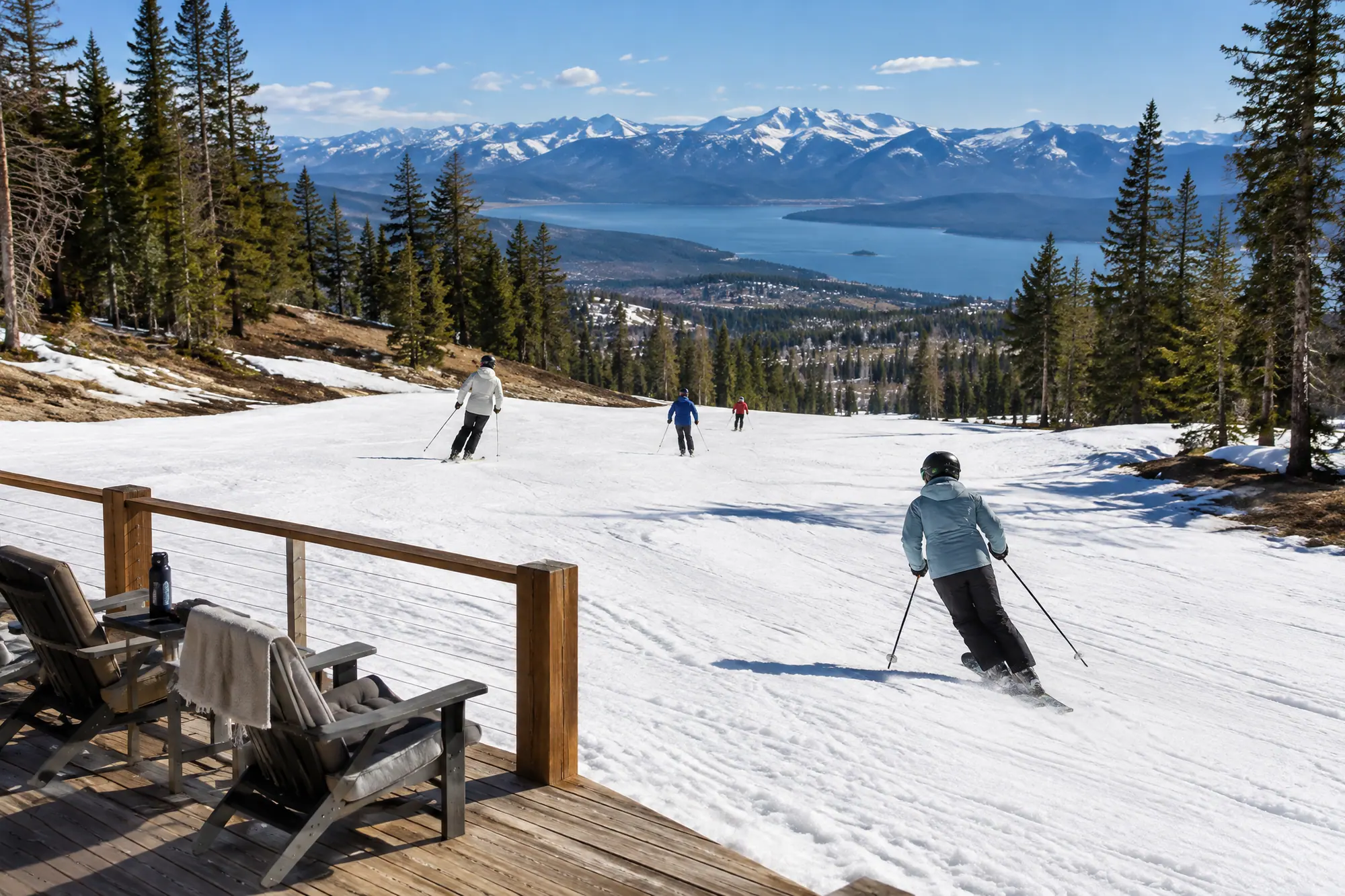
Check what is actually open
Resort closing dates, lifts, terrain and daily hours depend on conditions and operations. Use the official report rather than an old seasonal calendar. Lower trails may close before upper terrain, and the route back to base can change. Confirm the last lift and whether a download on a lift is permitted before heading up.
Time the terrain
After a cold night, morning surfaces can be firm; as the sun warms them, they can soften. Aspect, elevation and cloud cover matter, so a single timing rule does not work for every slope. Start on terrain within your ability and adjust as it changes. Ask patrol or instructors about current conditions and follow closures even when a trail looks connected.
Dress for a wide range
Layer for a cold lift and warm afternoon. Use eye and skin protection appropriate to bright snow and bring water. Wet gloves or clothing can become uncomfortable when clouds and wind return. Check the mountain forecast rather than relying on sunny weather in town. Stop for a break when tired legs begin to reduce control.
Keep the road trip realistic
Spring storms can still affect mountain passes. Review NWS alerts and road conditions, especially for early departures or late returns. If planning a longer trip, confirm lodging and ski school schedules; not every service stays open through the final operating day. Judge value by open terrain and planned use, not by a calendar month alone.
A sample spring-day rhythm
Check the overnight temperature, resort report and operating hours before leaving. Begin on open terrain that suits the firm morning surface, then move as conditions soften while staying within ability. Take a break when the sun or soft snow increases fatigue. Confirm that the preferred return run remains open; do not wait until the final lift to discover that a connection has closed. Pack a warmer layer even when the afternoon forecast looks mild, because wind and cloud can return. End early enough to change out of wet clothing and drive while alert.
What to verify for a spring booking
Ask whether the resort’s ski school, rental desk, shuttle and dining operate on the chosen dates. A hotel may advertise a ski season that extends beyond some services. Read ticket change terms and check whether a multi-resort pass still provides access. If planning a ski-home visit, inspect spring runoff, drainage and the appearance of roads and grounds after snowmelt. A spring trip is also an opportunity to see how a mountain town works in transition, but its calendar should be verified rather than assumed from a midwinter visit.
A spring day that changes by the hour
A skier starts on an open groomed route after a cold night and finds it firmer than expected. They choose a gentler run and wait for conditions to soften rather than forcing the original plan. By afternoon, another slope becomes heavy and tiring, so they take a break and check the route back to base. They carry a layer for a windy chair even though the sun is bright below. Before leaving, they check the road forecast for a possible evening storm. This itinerary uses observed snow, lift status and energy throughout the day. Spring skiing is enjoyable precisely because the plan can adapt to conditions rather than being tied to one run at one hour.
Planning checklist
Use these points to turn the guide into a plan for the exact resort, date or property:
- Check lift report
- Review last lift
- Start within ability
- Pack layers
- Protect from sun
- Check roads
Frequently asked questions
Is spring snow always soft?
No. It changes with temperature and aspect.
Are all lifts open until the resort closes?
Check the daily operations report.
Can spring roads still be affected by storms?
Yes. Review mountain travel alerts.
Next steps
Sources
- Winter Weather Safety, National Weather Service (accessed Nov 19, 2026)
- Your Responsibility Code, National Ski Areas Association (accessed Nov 19, 2026)
About Where2Ski Editorial Team
Guides from the Where2Ski editorial team are researched from primary sources such as ski area operators, public land managers, the National Weather Service, official avalanche centers and the CFPB, checked by an editor before publication, and dated when they are reviewed. See the editorial policy for how we source, review and correct articles.
This guide is general information rather than legal, tax or financial advice. Rules and programs change, so check the linked sources and talk with a licensed professional in your state. Spot an error? Tell us.