
Ski Slope Safety: Understand the Responsibility Code
A lift ticket gives access to open terrain under the mountain’s rules. Shared slopes work best when each person anticipates others and adjusts to conditions.
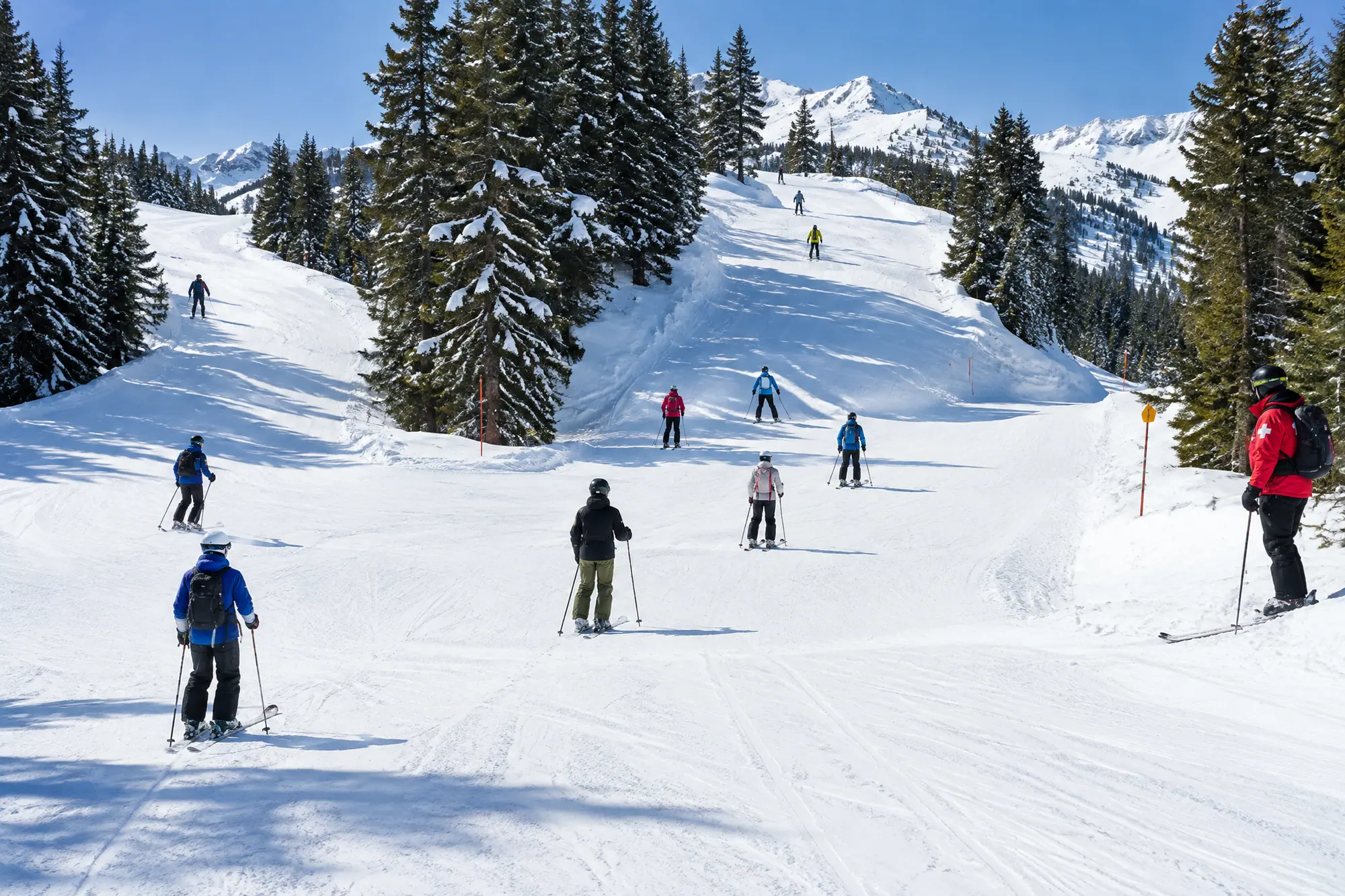
Stay in control
The National Ski Areas Association’s Responsibility Code calls on people to stay in control and able to stop or avoid others. That means adjusting speed for traffic, surface and visibility rather than skiing a trail at a fixed pace. Give those ahead of you the right of way and leave a wide margin near beginners or lessons.
Merge and stop thoughtfully
Look uphill and yield when starting downhill or entering a trail. Stop only where you are visible from above and do not obstruct a run. On narrow connectors, slow before a blind bend. If you fall, move clear when safe and help companions do the same. Group conversations belong at the side in a visible, permitted spot.
Respect the mountain’s controls
Observe signs, warnings and closures. Closed terrain may hide hazards or active operations even when it appears skiable from a lift. Use lifts safely and follow attendants. If equipment runs away, take steps to prevent future incidents and notify staff. Know the resort’s emergency contact procedure before the group separates.
Plan for the unexpected
Carry a charged phone and know the base name and trail location when calling for help. Ski with awareness of other users, terrain features and changing weather. A friend’s skill does not define your safe route. If visibility or fatigue reduces your ability to comply with the code, choose easier terrain or finish the day.
Apply the code at a busy intersection
Imagine a skier approaching a trail merge while another group is moving below. The merging skier should look uphill and yield, then join only when there is space to continue at a controlled speed. A group waiting nearby should move to a visible edge rather than blocking the center. This everyday example combines several code principles: control, awareness, right of way and a safe stopping place. At a lesson area or narrow connector, leave even more room because people may turn unpredictably. Never use a friend’s speed as your target.
Teach the code as a routine
Before the first run, choose a meeting point and review what to do if someone falls or becomes separated. At every new lift, identify the easiest open return. On the slope, point out signs, slow zones and closures as they appear. At the end of the day, discuss a situation where someone adjusted speed or yielded well; concrete observations are easier to remember than a list recited once. If an incident occurs, follow the resort’s instructions and seek help. Skiing responsibly is an active decision throughout the day, regardless of ability.
A complete run through the code
At the top of a run, a skier checks for people below before starting. They control speed on a narrow section, yield to the skier ahead and pass with room. At a junction, they look uphill before merging. When a companion needs a break, they move to a visible edge rather than stopping below a blind roll. They obey a closure at the next trail even though snow appears on the other side. At the lift, they follow the attendant’s directions. Each decision is small, but together they make the shared slope more predictable. Reviewing the code as a sequence of actions is more useful than treating it as a sign that can be ignored after the first morning.
Planning checklist
Use these points to turn the guide into a plan for the exact resort, date or property:
- Read code
- Control speed
- Yield when merging
- Stop visibly
- Follow closures
- Know emergency contact
Frequently asked questions
Who has right of way?
People ahead or downhill have priority under the code.
May I enter a closed trail?
No. Follow signs and closures.
Where should a group stop?
Where visible from above and clear of traffic.
Next steps
Sources
- Your Responsibility Code, National Ski Areas Association (accessed Nov 19, 2026)
- Lift Safety, National Ski Areas Association (accessed Nov 19, 2026)
About Where2Ski Editorial Team
Guides from the Where2Ski editorial team are researched from primary sources such as ski area operators, public land managers, the National Weather Service, official avalanche centers and the CFPB, checked by an editor before publication, and dated when they are reviewed. See the editorial policy for how we source, review and correct articles.
This guide is general information rather than legal, tax or financial advice. Rules and programs change, so check the linked sources and talk with a licensed professional in your state. Spot an error? Tell us.