
Skiing at Altitude: Pace, Hydration and Trip Design
A destination at higher elevation can feel different from a local hill, particularly after rapid travel. Build time to adjust and avoid treating fatigue as a challenge to ignore.
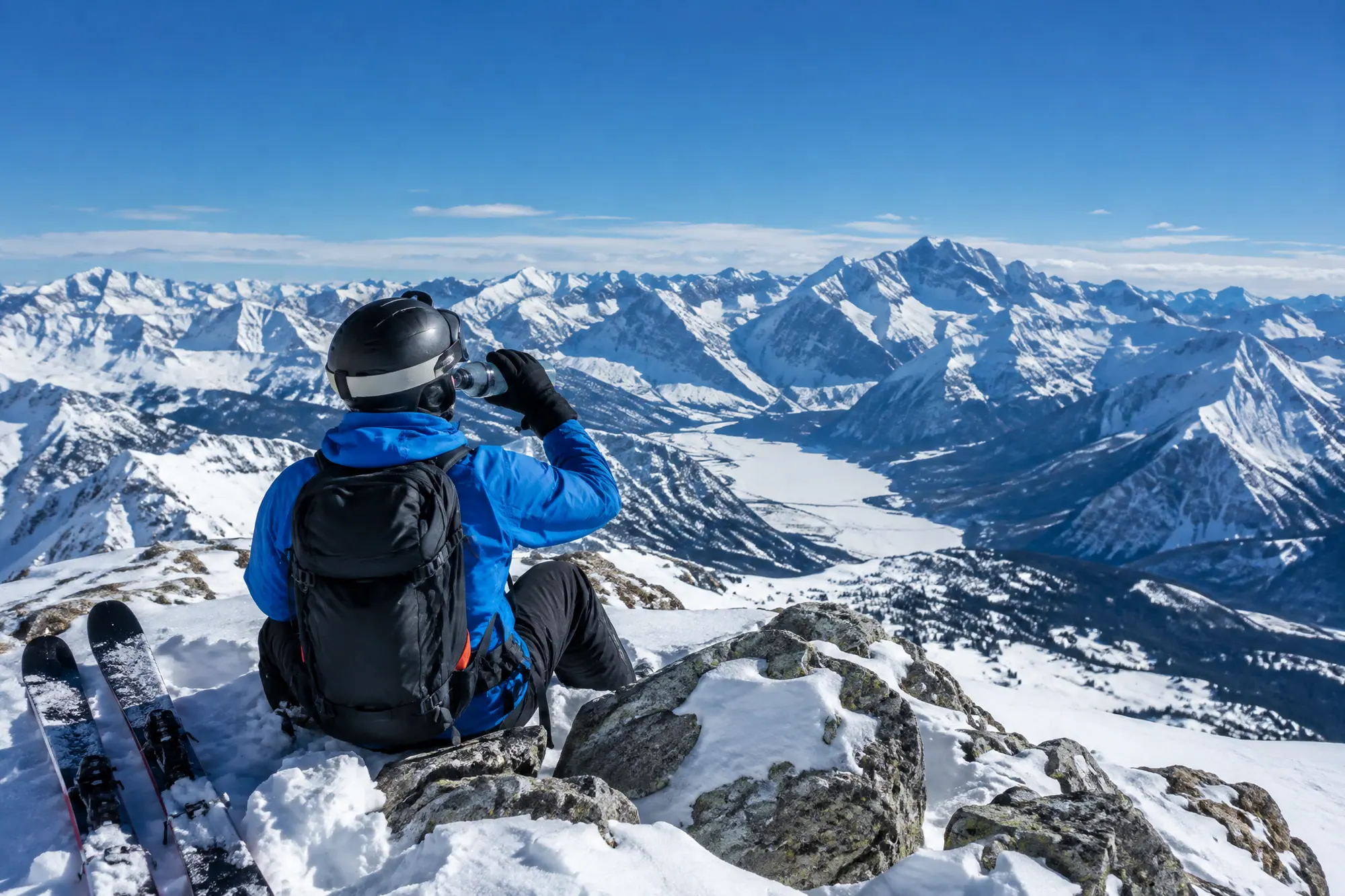
Know the itinerary
Record the elevation of lodging, base and upper mountain rather than assuming they are similar. Allow a lighter first day after a flight or long drive. The work of carrying equipment and walking in boots can be tiring before skiing begins. Plan meals, water and sleep instead of scheduling the hardest terrain immediately on arrival.
Recognize a changing condition
Headache, nausea, unusual fatigue or shortness of breath can have several causes, including altitude illness. Seek medical advice for concerning symptoms, and do not continue ascending when someone is getting worse. This article is a planning guide, not a diagnosis. Keep the group’s itinerary flexible enough to descend or rest when needed.
Ski within current ability
Cold, wind and travel fatigue can reduce attention. Choose an easy warm-up, take breaks and check how everyone feels. A person who skis comfortably at home may need a slower pace on a different mountain. Trail ratings are local, and a high summit is not a required destination for a successful trip.
Prepare for the drive and weather
Mountain roads and weather can be as consequential as elevation itself. Check NWS alerts and the resort’s current operations. Carry layers and water, and know the quickest route to services. If a traveler has a health condition or prior altitude problems, discuss the trip with a qualified clinician before departure.
Design the first 24 hours thoughtfully
After arriving at a higher destination, check into lodging, eat and sleep rather than rushing directly to a strenuous upper-mountain plan. A gentle first ski day allows the group to see how it feels while learning the terrain. Note where medical help is available and how to descend from lodging or a high base if needed. CDC guidance describes symptoms such as headache, fatigue and nausea after ascent; symptoms can have other causes, so seek qualified advice when uncertain. A flexible itinerary is particularly important for people with prior altitude issues or relevant health conditions.
Separate altitude from ski fatigue
A traveler can be tired from a flight, cold exposure, poor sleep or difficult terrain as well as elevation. Do not dismiss a new headache or worsening condition as ordinary soreness, and do not diagnose a companion from a checklist. Reduce exertion, seek medical assessment when appropriate and avoid moving higher with symptoms. CDC advises descent when symptoms worsen despite rest or treatment at the same elevation. It is sensible to choose a lodging and ski plan with a lower-elevation alternative, especially for a family or a group with different health histories.
A gradual trip example
Two travelers fly from near sea level to a higher mountain town. Rather than booking the most demanding upper-mountain lesson immediately after arrival, they plan a light first afternoon, sleep at their lodging elevation and begin with easier terrain the next day. They note where help is available and agree to speak up about symptoms. One traveler develops a new headache and nausea; the group pauses and seeks appropriate advice instead of ascending to another lift to “push through.” The itinerary can shift because lodging and tickets were chosen with some flexibility. CDC guidance makes clear that altitude symptoms warrant attention, and worsening symptoms can require descent. A ski trip should never depend on ignoring them.
Planning checklist
Use these points to turn the guide into a plan for the exact resort, date or property:
- Check elevations
- Plan easy first day
- Bring water
- Watch symptoms
- Take breaks
- Review weather
Frequently asked questions
Should I ski the hardest terrain on arrival day?
A lighter first day gives room to adjust.
Can symptoms worsen at higher elevation?
Yes. Seek care for concerning symptoms and avoid further ascent.
Is the town at the same elevation as the summit?
Usually not; check each location.
Next steps
Sources
- High-Altitude Travel and Altitude Illness, CDC (accessed Nov 19, 2026)
- Winter Weather Safety, National Weather Service (accessed Nov 19, 2026)
- Your Responsibility Code, National Ski Areas Association (accessed Nov 19, 2026)
About Where2Ski Editorial Team
Guides from the Where2Ski editorial team are researched from primary sources such as ski area operators, public land managers, the National Weather Service, official avalanche centers and the CFPB, checked by an editor before publication, and dated when they are reviewed. See the editorial policy for how we source, review and correct articles.
This guide is general information rather than legal, tax or financial advice. Rules and programs change, so check the linked sources and talk with a licensed professional in your state. Spot an error? Tell us.