Ski Boot Fit: Comfort, Control and Common Mistakes
A ski boot connects movement to the ski. Too much room reduces control; painful pressure can end a day early. Fit deserves more attention than a fashionable model name.
Describe the problem precisely
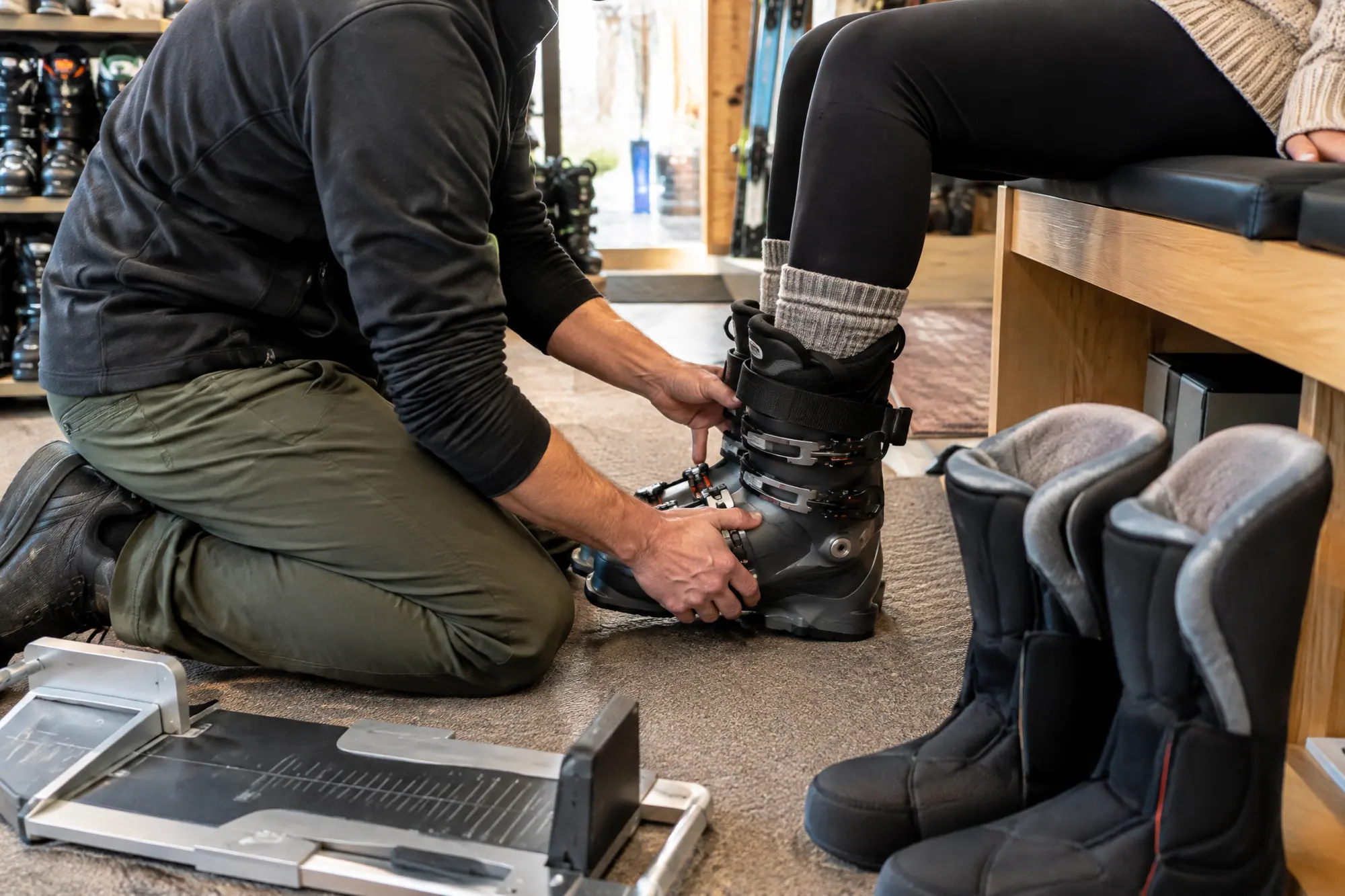
Tell a fitter whether the toes are jammed, the heel lifts, the ankle rubs or the foot goes numb. Different issues call for different changes. Try boots with one ski sock and fasten them in the order recommended by the shop. A boot may feel snug while standing upright and different in a skiing stance, so ask to test the fit in both positions.
Understand rental limits
Rental staff can change size or model and make appropriate adjustments. Do not compensate for a loose boot with multiple thick socks; that can create folds and circulation problems. If pain appears after a few runs, return to the shop while there is still time to fix it. Document the model and size that worked for future trips.
When buying, seek a fitting process
A boot purchase should include foot measurement, shell assessment and discussion of skill, terrain and intended use. Ask what adjustments or follow-up service are included. Do not assume a flex number is directly comparable across all manufacturers. A qualified fitter can distinguish a solvable pressure point from a boot that is fundamentally the wrong shape.
Connect fit to the whole setup
A new boot may require binding compatibility and adjustment checks by a professional. Dry liners after skiing according to manufacturer guidance and avoid excessive heat that could damage components. On a multi-day trip, address fit on the first day rather than accepting repeated discomfort. Comfort improves learning, but the skier still needs instruction and suitable terrain.
The first fitting conversation
Bring the sock you intend to ski in and tell the fitter your experience, usual terrain and prior fit problems. Stand in the boot, then flex gently into a skiing stance. Explain exactly where pressure or movement occurs. A boot can be snug without cutting circulation; pain and numbness deserve attention. Walk in the shop as directed, but remember that a brief fitting cannot fully reproduce a day on snow. If renting, ask how quickly you can exchange the boot if a problem appears after a run. Save the model and size information that worked.
Managing fit during a ski trip
Start the first day on terrain that lets you notice fit without fighting steepness. Adjust buckles as the liner settles, following the shop’s guidance, and return for help if the heel lifts or a specific point becomes painful. Dry equipment between days in a way that does not overheat plastic or liners. A traveler who plans several consecutive days should address a problem immediately rather than waiting until the final day. When buying boots, ask about follow-up adjustments and binding checks. A comfortable, precise connection supports technique, but the correct terrain and instruction still matter most.
A fitting problem solved early
A traveler rents boots for three ski days and feels a heel lift after the first easy run. Tightening every buckle as far as possible could create new pressure without addressing the fit. The better next step is to return to the rental counter and describe the movement, the boot size and where it happens. The fitter can assess another shell or adjustment. The skier then tests it on familiar terrain before heading higher. This takes time on day one but can protect the rest of the trip. A different traveler with numb toes should report that symptom specifically rather than assuming all snug boots feel the same. Clear descriptions help the shop identify the right change.
Planning checklist
Use these points to turn the guide into a plan for the exact resort, date or property:
- Wear one sock
- Describe pressure
- Test skiing stance
- Refit early
- Check binding setup
- Dry liners
Frequently asked questions
Should ski boots feel like street shoes?
No. They fit more closely, but persistent pain warrants a refit.
Can I wear two pairs of socks?
One appropriate ski sock avoids bunching and pressure.
Does a new boot affect bindings?
A professional should check compatibility and setup.
Next steps
Sources
- Your Responsibility Code, National Ski Areas Association (accessed Nov 19, 2026)
About Where2Ski Editorial Team
Guides from the Where2Ski editorial team are researched from primary sources such as ski area operators, public land managers, the National Weather Service, official avalanche centers and the CFPB, checked by an editor before publication, and dated when they are reviewed. See the editorial policy for how we source, review and correct articles.
This guide is general information rather than legal, tax or financial advice. Rules and programs change, so check the linked sources and talk with a licensed professional in your state. Spot an error? Tell us.