
How to Choose Skis for Your Ability and Terrain
A ski that works for a confident skier in soft snow may be tiring for a learner on groomed trails. Define where and how you ski before comparing specifications.
Start with use and ability
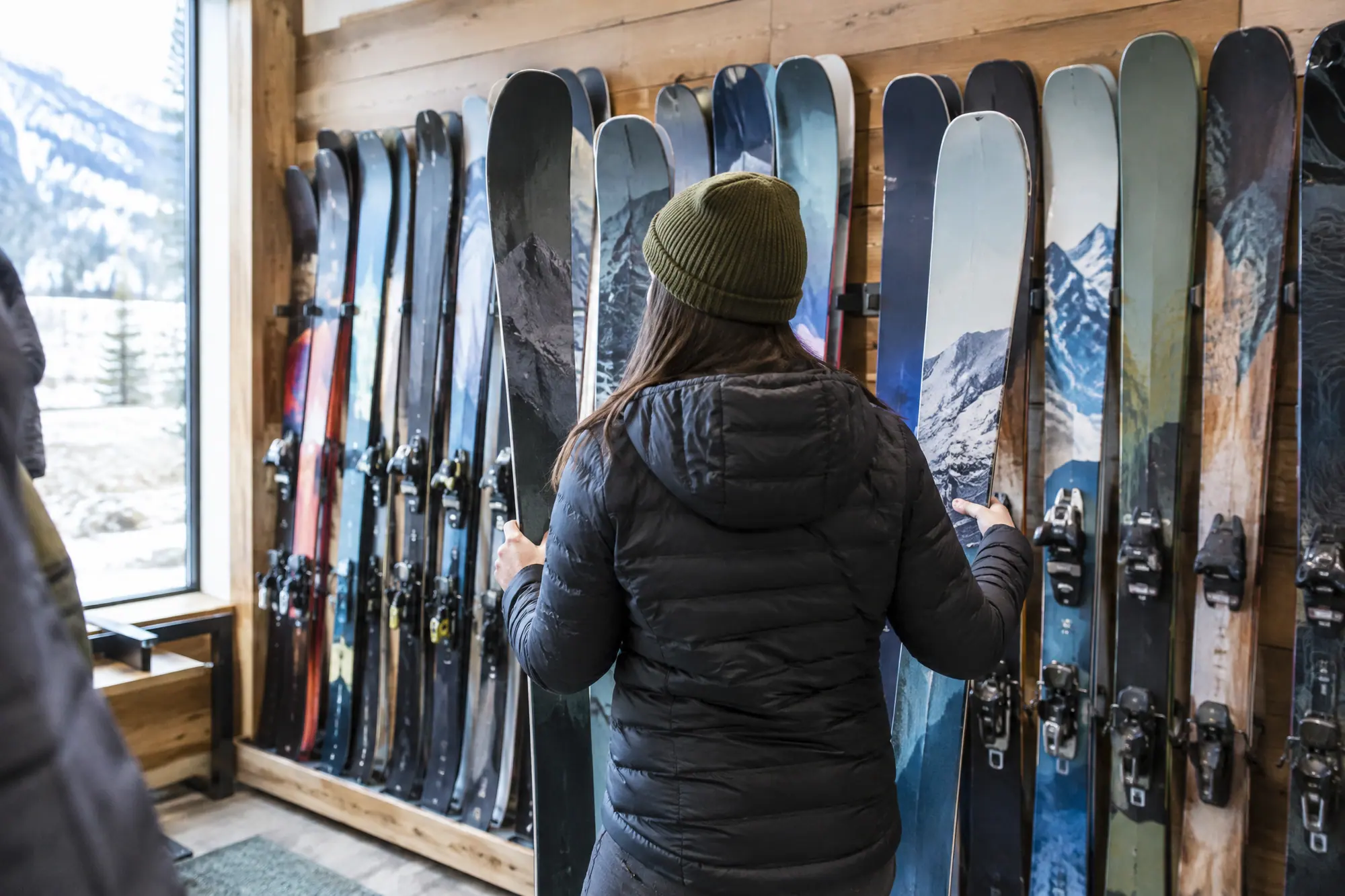
Tell a qualified shop how many days you ski, the terrain you enjoy, typical snow conditions and whether you are still building basic turns. A shorter, more forgiving option may feel easier to maneuver for a learner; another skier may value stability at speed. Personal size matters, but a height-only chart does not capture technique or intended use.
Understand categories
Frontside skis emphasize groomed-snow use, while wider all-mountain or powder-oriented designs may suit different conditions. These labels are broad and brands measure shape differently. Consider width, length, construction and turn behavior together. If you mostly ski one local area, start with its usual conditions rather than buying for a dream trip that happens once every few years.
Demo with a question
A demo day is most useful when you ski the same familiar run and note one change at a time: ease of turn initiation, grip, stability and fatigue. Ask the shop to set up each ski correctly for your boot. One run in exceptional snow may not reveal how a ski behaves on the ordinary days that fill most of a season.
Maintain the complete system
Bindings need professional setup and periodic inspection; edges and bases need service as use and conditions warrant. Store equipment dry and protect it during travel. A technically suitable ski will not solve poor boot fit or a jump to terrain beyond your control. Budget for instruction and maintenance alongside the purchase.
Questions to bring to a ski shop
Describe the runs you actually ski, how confidently you turn and stop, and whether you want easier maneuverability or more stability. Tell the shop about the snow on ordinary days, not only the powder shown in a vacation photograph. Ask what a proposed width and length will feel like on groomers, uneven snow and slower turns. If you are comparing two models, request a plain-language explanation of the tradeoff rather than relying on a category label. Bring your boots so the shop can check the complete setup. Write down the exact model and size of a demo you liked.
Why one ski cannot solve every trip
A skier who spends most weekends on firm groomed snow may find a very wide powder ski less pleasant on those days; another who often sees soft snow may value a different shape. Technique, boot fit and tuning can also change how a ski feels. Do not assume a difficult day proves the skis are wrong when visibility, fatigue or unfamiliar terrain may be responsible. Try new equipment on known runs and compare one variable at a time. Keep service in the annual budget, and ask a technician when edges, bases or bindings need attention. The best ski is useful on the days you really take.
A two-ski demo comparison
Suppose a skier mostly enjoys groomed intermediate trails but plans one annual powder trip. At a demo day, they try two skis on the same familiar run, with the shop setting both for the same boots. They note which one begins a turn more easily, which feels stable and whether either is tiring late in the run. They repeat the comparison after a break rather than relying on a single fast descent. The ordinary groomed day should carry more weight than the rare trip unless the skier intends to rent a separate ski for that trip. This process turns vague marketing categories into observations the skier can discuss with a technician and instructor.
Planning checklist
Use these points to turn the guide into a plan for the exact resort, date or property:
- Define terrain
- Discuss ability
- Compare categories
- Demo consistently
- Check bindings
- Budget service
Frequently asked questions
Is ski length based only on height?
No. Ability, weight, terrain and design also matter.
Should I buy the widest ski available?
Choose for the conditions you ski most often.
Can a demo help?
Yes. Compare skis on familiar terrain and note specific differences.
Next steps
Sources
- Your Responsibility Code, National Ski Areas Association (accessed Nov 19, 2026)
About Where2Ski Editorial Team
Guides from the Where2Ski editorial team are researched from primary sources such as ski area operators, public land managers, the National Weather Service, official avalanche centers and the CFPB, checked by an editor before publication, and dated when they are reviewed. See the editorial policy for how we source, review and correct articles.
This guide is general information rather than legal, tax or financial advice. Rules and programs change, so check the linked sources and talk with a licensed professional in your state. Spot an error? Tell us.