
Driving to a Ski Resort in Winter: Route and Vehicle Planning
A ski resort can be open while the road to it is difficult or temporarily closed. The drive deserves its own decision, separate from lift operations.
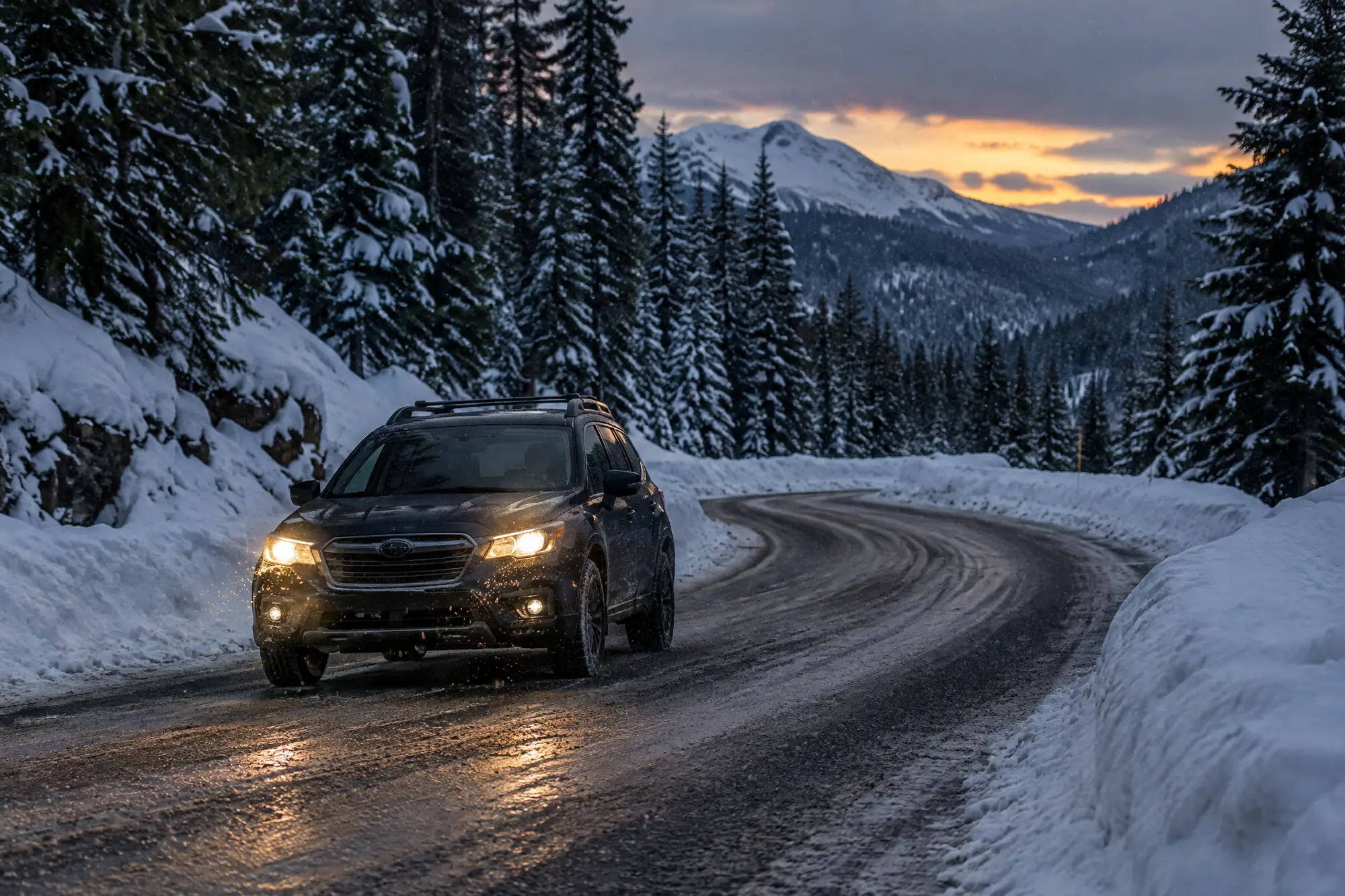
Check the entire route
Review the National Weather Service forecast and the relevant state transportation agency’s current road notices. A mountain pass can differ from conditions at the airport or lodging. Check chain or traction requirements for the actual vehicle and route. Rental car equipment and permitted chain use should be confirmed before leaving the counter.
Prepare for delay
Carry warm clothing, water, food, light, charging capability and an appropriate winter travel kit. Keep fuel or charge margin and allow time for traffic and parking. Tell someone the route and expected arrival when conditions are uncertain. Avoid planning a tight flight connection after a full day on the mountain.
Choose the travel window
A dawn departure may involve icy roads and darkness; a late return can coincide with worsening weather and fatigue. Compare a shuttle, rail or lodging closer to the mountain when available. A resort ticket or lesson may have change terms, but those costs should not determine whether driving is safe.
Review after arrival
Locate an approved parking area and note the path back after skiing. Clear snow from the vehicle and check conditions again before returning. If a closure extends the trip, use a lodging contingency rather than an unverified alternate back road. The National Weather Service recommends a winter survival kit when travel is necessary during winter conditions.
A departure-night checklist
Look at the full route on the state transportation map and NWS forecast, then confirm the vehicle’s tires or traction equipment meet the route’s current rules. Fill fuel or charge with a buffer, pack water and warm supplies, and confirm lodging check-in if a delay is possible. Know where the rental car’s chains or manual are, if relevant. Share an arrival estimate. In the morning, check updates again before leaving. A storm forecast can shift overnight, and the ski resort’s lift status does not provide a reliable road report.
Design the return before skiing
Choose a latest departure time that allows the driver to rest and the party to change into dry clothes. Identify a meal or lodging option if the road becomes difficult. Keep the vehicle accessible and clear snow from windows, lights and roof before driving. If a main route closes, use official guidance rather than an unfamiliar shortcut suggested by a mapping app. Some trips are better served by a shuttle or a night near the mountain. When comparing lodging, include the cost of safer, shorter winter transfers in the budget rather than focusing only on nightly rate.
A storm-morning choice
A family has prepaid lessons at a resort, but the forecast calls for snow on the approach road. Before leaving, they check the state road agency, traction rules and the ski area’s operating notice. They compare the drive with the lesson’s change policy and their vehicle’s equipment. If the route is not suitable, they use a later date or stay closer to the mountain rather than taking an unverified back road. If travel is reasonable, they carry winter supplies, leave early and share an arrival time. This example treats the ticket cost as one factor but keeps the road decision tied to current conditions. The return is checked again before the family skis the last lift.
Planning checklist
Use these points to turn the guide into a plan for the exact resort, date or property:
- Check NWS alert
- Check road agency
- Verify traction rules
- Pack travel kit
- Allow buffer
- Plan alternate lodging
Frequently asked questions
Is an open ski resort proof the road is clear?
No. Check transportation notices separately.
Should a rental vehicle have winter equipment?
Verify route requirements with the rental provider.
Can a small back road bypass a closure safely?
Do not assume so; use official road guidance.
Next steps
Sources
- Winter Weather Safety, National Weather Service (accessed Nov 19, 2026)
About Where2Ski Editorial Team
Guides from the Where2Ski editorial team are researched from primary sources such as ski area operators, public land managers, the National Weather Service, official avalanche centers and the CFPB, checked by an editor before publication, and dated when they are reviewed. See the editorial policy for how we source, review and correct articles.
This guide is general information rather than legal, tax or financial advice. Rules and programs change, so check the linked sources and talk with a licensed professional in your state. Spot an error? Tell us.