
What to Wear Skiing: Layers for Changing Mountain Weather
Mountain weather can change between the parking lot and the top lift. Clothing should let you regulate heat while keeping hands, feet and vision functional.
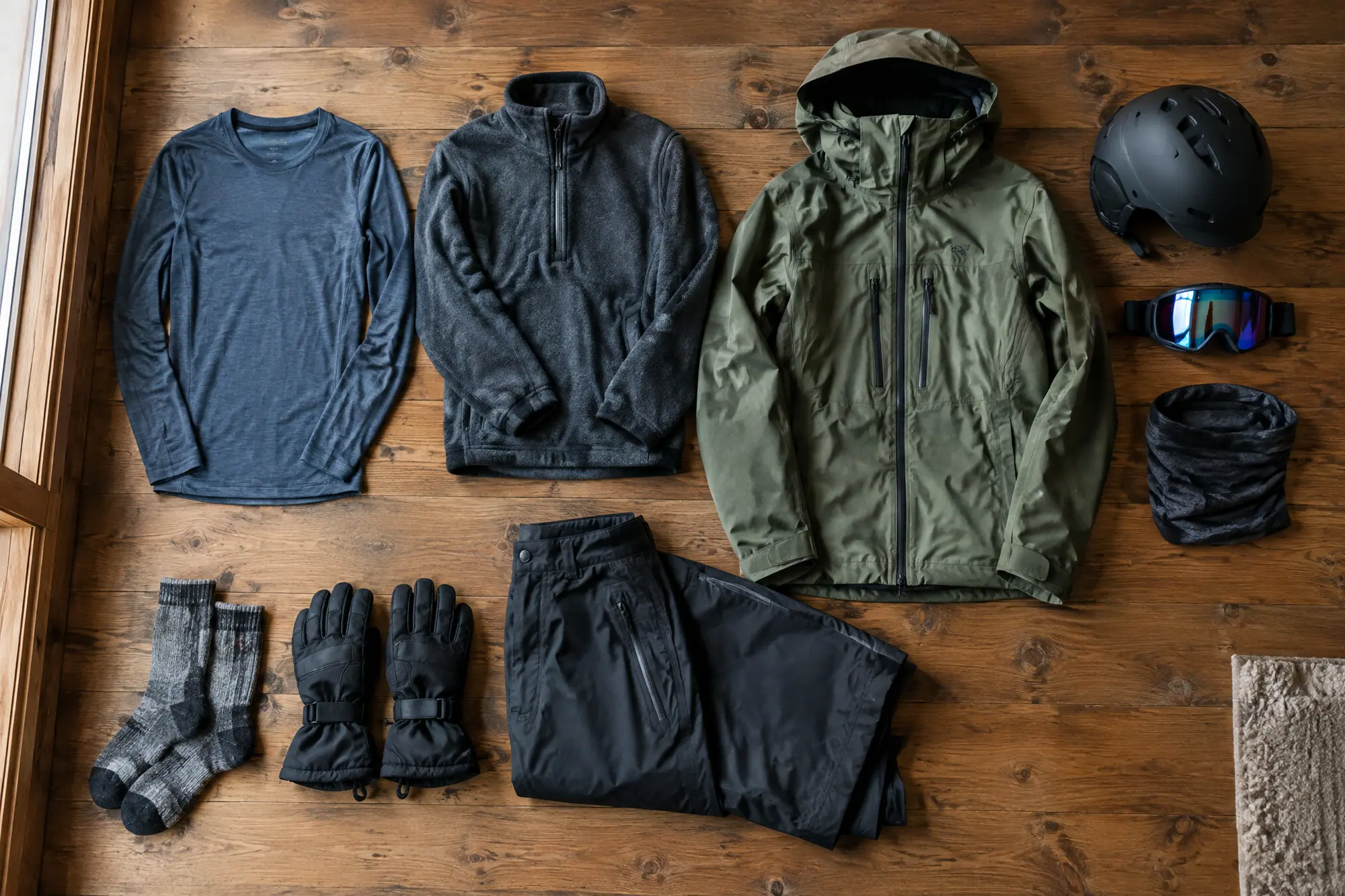
Build from the inside out
Choose a base layer that manages moisture, an insulating layer appropriate to the forecast and an outer layer that blocks wind and precipitation. Avoid assuming the thickest jacket is best for every day. If you overheat on a walk or in a lesson, open vents or remove a layer before sweat makes you cold on the lift.
Protect the small areas
Use gloves or mittens suited to the conditions, one appropriate pair of ski socks and eye protection that fits with your helmet. Pack a spare dry layer for children or long days. Sunglasses alone may not protect vision well in blowing snow. Adjust goggles for fog rather than removing them while moving on a busy slope.
Read the actual forecast
The National Weather Service publishes winter-weather alerts that can affect both skiing and the drive. Check temperature, wind, precipitation and road conditions for the mountain area, not just the nearest city. Lift exposure can feel different from the base. Carry water and plan a warming break when wind or wet clothing makes the day uncomfortable.
Test the system before a big trip
Try the complete outfit on a shorter day. Make sure boots fit with the chosen sock, helmet and goggles sit together correctly, and pockets hold essentials without loose straps. Pack a change of dry clothing for the return. The goal is not to predict one perfect temperature; it is to make small adjustments throughout the day.
Packing for one changing day
Lay out a base layer, adjustable insulation and weather shell the night before, then check the mountain forecast in the morning. Put a spare pair of dry gloves or liners and a small extra layer in an accessible place. Use a helmet-compatible goggle and a sock that fits inside the boot without folds. Make sure pockets close and loose scarves or straps cannot interfere with a lift. A city temperature can underestimate wind exposure at the top, while a sunny afternoon can make heavy insulation excessive. Clothing works best as a system you can alter at lunch.
What to do when comfort changes
If you begin sweating on an easy run, adjust vents or layers at a safe stop before damp clothing cools on the chair. If hands or feet become cold, check for wet fabric and overly tight fit. Move inside to warm up rather than waiting until dexterity affects equipment handling. Fogged goggles should be addressed off the main trail; moving downhill with poor vision is a safety problem. In a multi-day trip, dry layers fully overnight and pack clean socks. The objective is to stay attentive and able to enjoy the snow, not to prove endurance in uncomfortable conditions.
A changeable-weather packing example
A group begins in a cold parking lot, reaches a windy chairlift and later skis in sun. Someone wearing one heavy, unvented jacket becomes damp while walking, then chilled on the lift. A layered system offers more choices: open vents during activity, add insulation for a break and protect against wind or snow with the shell. The group keeps spare dry gloves and a warm layer near the base. They check the mountain forecast before departure, not merely the town temperature. If visibility falls, they select easier terrain and adjust goggles off the main trail. The value of the clothing system is its ability to support these small decisions throughout the day, not a promise of perfect comfort in every forecast.
Planning checklist
Use these points to turn the guide into a plan for the exact resort, date or property:
- Check mountain weather
- Wear base layer
- Add adjustable insulation
- Use weather shell
- Protect hands and eyes
- Pack dry spare
Frequently asked questions
Can I wear cotton as a base layer?
A moisture-managing layer is more practical for active winter use.
Do I need multiple ski socks?
Wear one suitable pair in the boot; pack a dry spare.
Should I check the city forecast only?
No. Mountain conditions can differ.
Next steps
Sources
- Winter Weather Safety, National Weather Service (accessed Nov 19, 2026)
- Your Responsibility Code, National Ski Areas Association (accessed Nov 19, 2026)
About Where2Ski Editorial Team
Guides from the Where2Ski editorial team are researched from primary sources such as ski area operators, public land managers, the National Weather Service, official avalanche centers and the CFPB, checked by an editor before publication, and dated when they are reviewed. See the editorial policy for how we source, review and correct articles.
This guide is general information rather than legal, tax or financial advice. Rules and programs change, so check the linked sources and talk with a licensed professional in your state. Spot an error? Tell us.