
Ski Helmets and Goggles: Fit, Visibility and Care
A helmet and goggles are pieces of a wider safety system. They should fit together, stay usable in weather and never encourage a skier to exceed control.
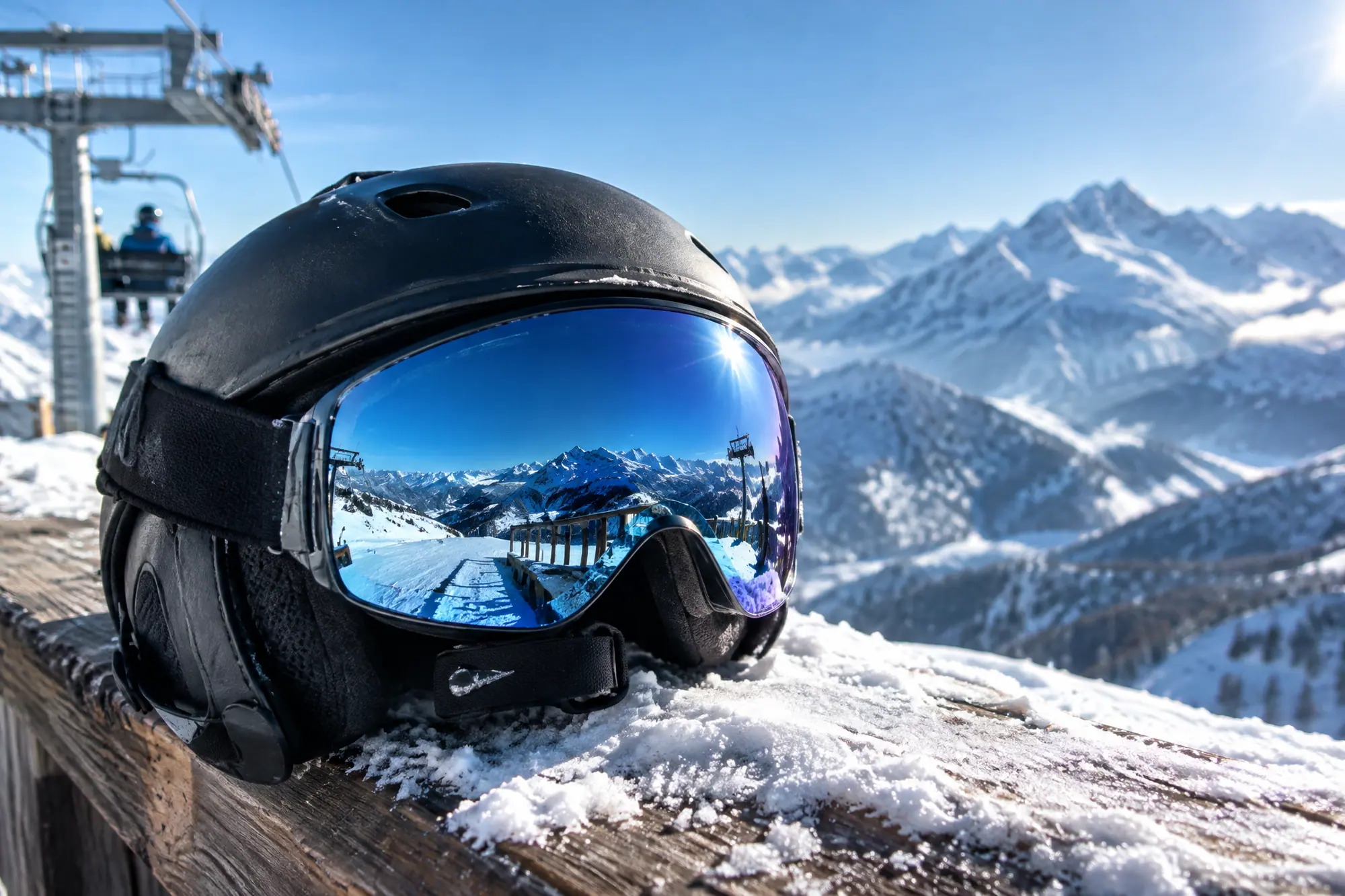
Fit both items together
Try the helmet with the goggles you will actually wear. It should sit level, follow the maker’s fitting instructions and remain stable when you move your head. Goggles should seal comfortably without a large exposed gap or pressure point. Ask a rental shop for another size when the combination shifts or blocks peripheral vision.
Plan for changing light
Different lens designs suit different light, but no lens makes poor visibility safe. Keep the lens clean and protect it from scratches. Avoid touching the inner surface of a fogged lens unless the manufacturer instructs it. If you cannot see terrain, signs or people clearly, slow down, stop in a safe place or leave that area.
Follow care guidance
Inspect helmet and straps before use and follow manufacturer guidance after an impact, even when damage is not obvious. Do not dry equipment against excessive heat. A rented helmet should also be checked for correct fit. Eye protection is especially useful when wind, snow or glare changes during a lift ride.
Keep the Responsibility Code central
NSAA’s code asks each skier and rider to stay in control and be able to stop or avoid people and objects. Helmets cannot make an unsafe speed or closed trail acceptable. Teach children how to look uphill when merging and how to choose a place to stop that leaves others room to pass.
A useful rental-counter check
Put on the helmet, fasten it and wear the goggles together before leaving the shop. Turn your head, look to both sides and notice whether the frame blocks important peripheral vision. Ask for another size if the helmet shifts or the goggles press hard on the face. If children are involved, confirm that each child can explain how to keep the strap fastened and when to ask for help. A borrowed helmet may have an unknown history, so inspect it and follow the operator’s policy. Keep the lens protected during transport, not loose among metal gear.
Visibility should guide terrain choice
On a sunny morning, a lens may feel ideal; in flat light or snow, surface contours can be harder to read. Slow down and select familiar, open terrain rather than treating optics as a guarantee. Stop where you are visible from above before adjusting a fogged lens. If snow builds on goggles or the helmet shifts, fix the problem before rejoining traffic. The NSAA code still governs control, merging and closures. Protective gear can reduce some risks, but it cannot remove the need to judge speed, spacing and whether a trail is suitable that day.
A visibility-first decision
Suppose a skier has comfortable goggles in bright morning light, but afternoon cloud makes snow texture difficult to see. Changing lenses may help if the skier has a suitable option, but it does not make an unfamiliar steep trail a good choice. They slow down, return to a known run and give more space to other people. If the lens fogs, they stop where visible from above before adjusting it. The helmet stays fastened and properly seated. A friend who wants to continue elsewhere can meet them later at a named base. This example shows how fit and visibility support judgment while the Responsibility Code still determines speed, spacing and terrain choice.
Planning checklist
Use these points to turn the guide into a plan for the exact resort, date or property:
- Fit together
- Check peripheral view
- Clean lens correctly
- Inspect straps
- Follow impact guidance
- Control speed
Frequently asked questions
Does a helmet make risky terrain safe?
No. Stay within ability and conditions.
Should goggles fit with the helmet?
Yes. Try them together.
Can I keep using a helmet after an impact?
Follow the manufacturer’s replacement guidance.
Next steps
Sources
- Your Responsibility Code, National Ski Areas Association (accessed Nov 19, 2026)
- Winter Weather Safety, National Weather Service (accessed Nov 19, 2026)
About Where2Ski Editorial Team
Guides from the Where2Ski editorial team are researched from primary sources such as ski area operators, public land managers, the National Weather Service, official avalanche centers and the CFPB, checked by an editor before publication, and dated when they are reviewed. See the editorial policy for how we source, review and correct articles.
This guide is general information rather than legal, tax or financial advice. Rules and programs change, so check the linked sources and talk with a licensed professional in your state. Spot an error? Tell us.